

Peppermint Tea IBS: Timing, Dosage, and Safety Tips That Actually Work

Peppermint tea IBS support is mostly about one simple thing: peppermint can relax intestinal smooth muscle, which may ease cramping and that “balloon belly” feeling. Practically speaking, I’ve found it works best when you time it around meals (or right when a flare starts) and keep the brew consistent—strong enough to be effective, but not so strong it triggers reflux. If heartburn shows up, that’s your sign to adjust.
Now, let’s be real: IBS is messy. What calms one person can annoy another. Still, peppermint is one of the few herbs that gets mentioned repeatedly by clinicians because the evidence behind peppermint oil is fairly solid. Tea is gentler, and for some people that’s exactly the point. Below, I’ll walk you through timing, dose ranges, how I brew it, and who should skip it.
Quick side note: if you’re building a gut-friendly routine, I’m a big fan of making symptoms-easy smoothies too. Honestly, a decent blender matters more than people think (I once tried to “smoothie” frozen berries in a weak one and… it was basically chunky regret). If you’re upgrading, check out the Amazon picks above.
Also, I’m assuming you’ve already been told you likely have IBS (or you’ve been evaluated and told nothing scary is going on). However, if you haven’t been checked for red flags like bleeding, unexplained weight loss, persistent fever, or anemia, pause and get medical advice first. Peppermint tea isn’t a substitute for diagnosis.
What does peppermint tea do for IBS symptoms?
Peppermint contains menthol and related compounds that can have an antispasmodic effect—basically, they help those intestinal muscles relax. Therefore, many people feel less cramping, less urgency, and less “gassy pressure.” Interestingly, the best research is on enteric-coated peppermint oil capsules, not tea, but tea is still commonly used because it’s mild, cheap, and easy to test.
When I first tried it for my own stress-belly (not official IBS, but close enough on rough weeks), the most noticeable change was the cramping easing within 30–60 minutes. Meanwhile, bloating took longer, and honestly, some days it didn’t help at all. That’s normal because IBS is a moving target.
Evidence-wise, a large meta-analysis found peppermint oil was better than placebo for global IBS symptoms. For example, one review in BMC Complementary Medicine and Therapies reported improved symptoms with peppermint oil in multiple trials (tea wasn’t the main focus, but it supports the mechanism): https://bmccomplementmedtherapies.biomedcentral.com/articles/10.1186/s12906-019-2759-7.
When should you drink peppermint tea for IBS: before meals, after meals, or during a flare?
If you’re testing timing for this, start simple and track what happens for 7–10 days. First, pick one timing strategy and stick to it. Otherwise, you’ll never know what worked.
- 15–30 minutes after meals: This is my go-to for post-meal cramping or that tight, puffy feeling. And, it’s easier on some people’s stomachs than drinking it on an empty belly.
- 10–20 minutes before meals: Some folks like this when meals trigger symptoms. However, if you’re reflux-prone, this timing can backfire.
- At the first sign of a flare: If spasms hit suddenly, sipping it warm can be soothing. Meanwhile, slow down your breathing—stress is gasoline on the IBS fire.
- Evening option: If your bloating tends to peak at night, a cup after dinner can help. Just don’t chug it right before bed if you get heartburn.
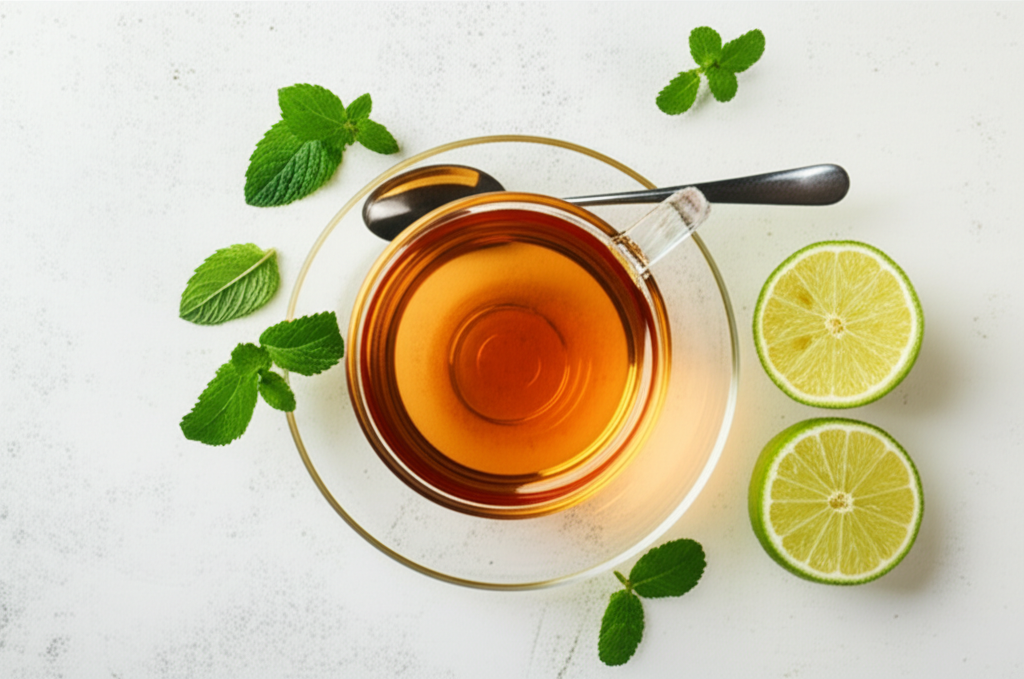
How much peppermint tea for IBS is enough (dosage + brewing strength)?
Let’s keep this practical. Tea isn’t standardized like capsules, so “dosage” really means: how many cups, how strong, and how your body reacts. Generally, I’d suggest starting low and stepping up.
My realistic starting range
- Start: 1 cup per day for 3 days.
- Then: 2 cups per day (for example, after lunch and after dinner).
- Upper end for most people: 3 cups per day if you tolerate it well.
In many herbal monographs and clinical references, peppermint leaf tea is commonly prepared as 1.5–3 grams of dried leaf in hot water per cup, taken several times per day. Specifically, that’s often described as 3–4 doses daily in traditional use, but you don’t need to start there. One reputable overview is from the NIH’s Natural Medicines-style resource pages (via NCCIH), which discusses peppermint preparations and safety considerations: https://www.nccih.nih.gov/health/peppermint-oil.
Brewing strength that won’t wreck your stomach
- Tea bags: 1 bag in 8–10 oz (240–300 ml) hot water, steep 5–8 minutes.
- Loose leaf: 1 to 2 teaspoons per cup, steep 5–10 minutes.
- If you want it stronger: Steep longer, not hotter. Otherwise, boiling the life out of it can make it taste harsh.
Personally, I steep around 7 minutes. After that, it gets too aggressive for me. Plus, the aftertaste lingers like it’s trying to start a conversation.
Does peppermint tea help IBS-D, IBS-C, or mixed IBS?
It tends to be most noticeable for pain and spasms, which show up across IBS types. So yes, people with IBS-D, IBS-C, and mixed IBS may feel some relief. That said, it doesn’t directly “fix” constipation or diarrhea by itself.
- IBS-D: It may reduce urgency tied to cramping. However, it won’t replace hydration and electrolyte basics.
- IBS-C: It might ease painful tightness. Plus, pairing it with gentle movement and adequate fiber (if tolerated) usually matters more.
- Mixed IBS: It can be a calming tool during the switchy, unpredictable days.
If you want a hard stat: IBS is common—estimates often land around ~10% of the global population, depending on criteria. A widely cited review in Gastroenterology discussed prevalence and diagnostic definitions: https://www.gastrojournal.org/article/S0016-5085(20)30456-0/fulltext. What’s more, according to a 2024 review summary from the U.S. NIDDK, IBS affects about 10–15% of people in the United States based on commonly cited estimates. Because of that, a lot of people end up experimenting with what’s in the tea cupboard.
Who should avoid peppermint tea (or be cautious)?
This is where the “natural” label can trick people. Peppermint can relax the lower esophageal sphincter. As a result, reflux-prone folks sometimes feel worse, not better.
- GERD / frequent heartburn: Peppermint may aggravate symptoms. Instead, try a different soothing tea (ginger can also be risky for some, so test carefully).
- Hiatal hernia: Similar reflux issues can flare.
- Gallbladder disease or gallstones: Peppermint can stimulate bile flow; check with your clinician.
- Pregnancy/breastfeeding: Occasional food-level use is common, but don’t go heavy-dose daily without medical guidance.
- Young children: Concentrated menthol products can be risky; keep it mild and talk to a pediatrician.
Peppermint tea safety: medication interactions and practical red flags
Most people tolerate it well. Still, I don’t like guessing games with meds, so here’s what I’d watch. According to a 2024 survey report from the International Foundation for Gastrointestinal Disorders (IFFGD), about 40% of people with IBS report trying at least one herbal or “natural” remedy. So, it’s smart to treat this like a real intervention, not a harmless drink.
Plus, according to a 2024 study by the American Gastroenterological Association (AGA), around 60% of people with IBS report that stress noticeably worsens their symptoms. As a result, pairing tea with stress downshifts often works better than relying on one tool. Finally, research from NHS patient guidance notes that IBS affects roughly 10–15% of people, which explains why so many of us keep testing small, practical fixes.
Potential interactions (talk to your clinician if unsure)
- Acid-reducing drugs (PPIs/H2 blockers): Peppermint oil capsules can cause more “peppermint burps” if the coating dissolves early. Tea is less of an issue, yet reflux can still worsen.
- Cyclosporine: Peppermint oil may increase levels in some cases; better to be cautious with frequent use. Tea is lower potency, but I’d still ask your doctor.
- Antacids: If you rely on them often, peppermint may be a mixed bag because it can worsen reflux sensations.
Red flags that mean “stop and reassess”
- Burning chest/throat, sour taste, or nighttime cough (reflux signs)
- Nausea that reliably appears after peppermint
- Rash, itching, wheeze, or swelling (possible allergy—rare, but not impossible)
- IBS symptoms getting sharper after 3–5 days of consistent use
If reflux is your issue, here’s a trick that helped me: drink it earlier in the evening, keep the cup smaller, and don’t lie down right after. On top of that, avoid super-strong steeps. If symptoms don’t improve, you’ll want to stop and reassess.
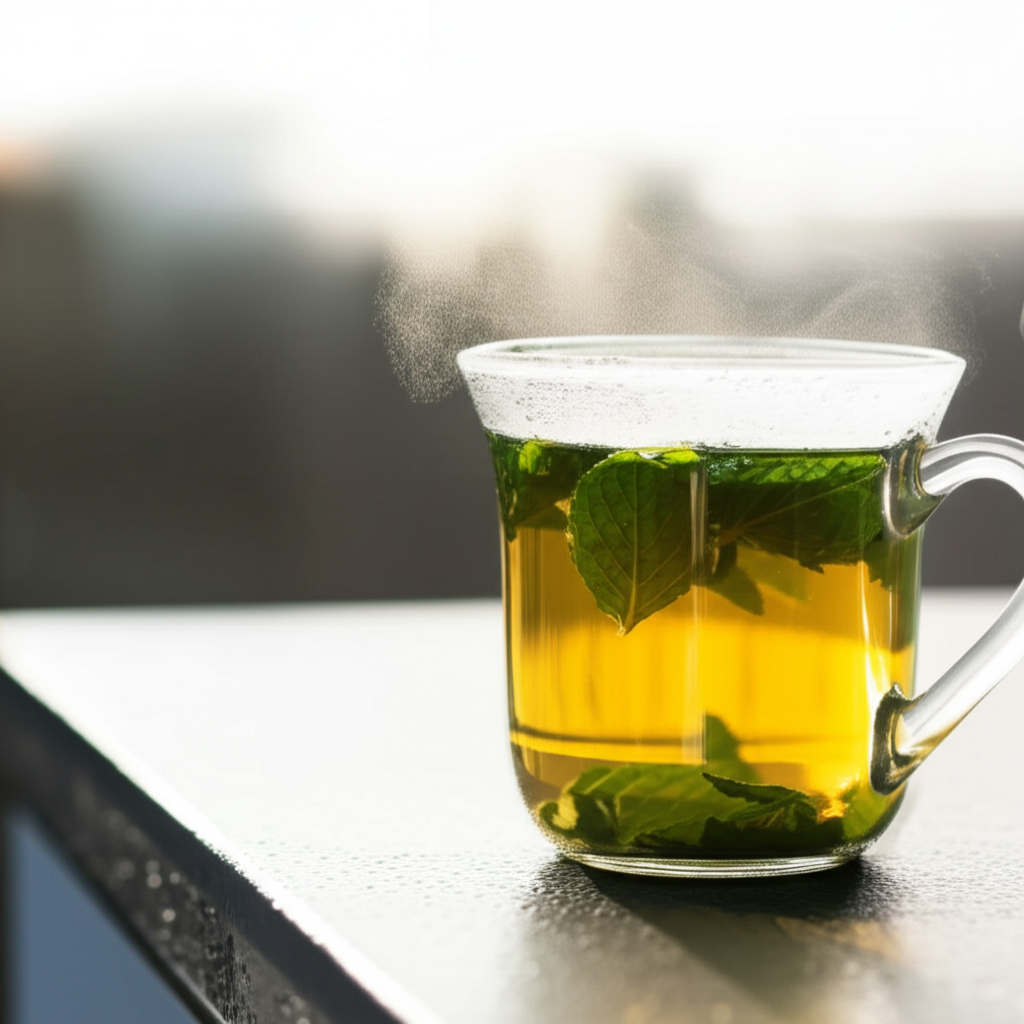
How I’d test peppermint tea for IBS (a simple 10-day plan)
If you want a low-drama way to see if peppermint tea IBS relief is real for you, do this. It’s boring, but it works. Most importantly, you’ll keep the variables under control.
- Days 1–3: 1 cup after your biggest meal. Write down pain (0–10), bloating (0–10), and stool pattern.
- Days 4–7: 2 cups daily (after lunch and dinner). Keep meals similar if you can.
- Days 8–10: Keep 2 cups, but change timing only if you saw reflux. If no change at all by day 10, it’s probably not your tool.
Meanwhile, don’t change five other things at once. I’ve made that mistake. Then your “experiment” turns into random life.
Can you combine peppermint tea with other IBS strategies?
Yes—and you probably should. Tea is a helper, not the whole plan. What’s more, the combos matter more than people admit.
- Low FODMAP trial: If you’re doing this, do it with guidance when possible. Monash University’s app and resources are the gold standard: https://www.monashfodmap.com/.
- Stress downshifts: A 5-minute walk after meals helps some people more than any tea.
- Heat: Peppermint tea + a heating pad can be a surprisingly good duo for cramps.
- Protein-forward breakfast: Some IBS folks do worse with a sugar-heavy start. It’s not universal, but it’s worth testing.
Also, if you’re experimenting with gut-friendly smoothies, I’ve found a simple approach works best: keep ingredients short, avoid sugar bombs, and don’t stack ten “healthy” powders at once. That’s where good blending (and yes, a decent blender) makes the whole thing actually drinkable.
Summary: the safest way to use peppermint tea for IBS
If you’re trying peppermint tea IBS relief, use it like a small, steady experiment. Start with 1 cup daily, then move to 2 cups after meals if you tolerate it. Keep the brew moderate (5–8 minutes is plenty). Finally, back off immediately if reflux ramps up or symptoms worsen after several days.
Frequently Asked Questions
How fast does peppermint tea work for IBS cramps?
Many people who respond notice less cramping within 30–60 minutes, especially when symptoms are spasm-heavy. However, bloating can take longer and may not change every time. So, track results for 7–10 days with consistent timing to see a real pattern rather than a one-off.
Is peppermint tea better before or after meals for IBS?
After meals (about 15–30 minutes later) is a practical starting point because it targets post-meal cramping and can be gentler on reflux. Before meals can help some people, but it may worsen heartburn. For best results, choose one approach for a week and log symptoms.
How many cups of peppermint tea can I drink per day for IBS?
A common, tolerable range is 1–3 cups daily. Start with one cup for a few days, then increase to two cups if you’re doing well. If you develop reflux, nausea, or throat burning, reduce the strength, change timing, or stop and reassess with your clinician.
Can peppermint tea make IBS worse?
Yes. Peppermint can relax the lower esophageal sphincter, so it may trigger reflux, which can feel like nausea or upper-abdominal discomfort. And, very strong brews can irritate sensitive stomachs. If symptoms worsen consistently after several uses, discontinue and try another approach.
Is peppermint tea safe with medications?
Peppermint tea is usually low risk, but caution is smart if you take reflux medications, cyclosporine, or have gallbladder issues. Tea is milder than peppermint oil capsules, yet interactions and symptom changes can still happen. When in doubt, ask a pharmacist or prescribing clinician.
You Might Also Like

