

Ragi Smoothie: A Nutritious Breakfast and Evening Meal for Kids
If you’re searching for a healthy, tasty meal for your toddlers, consider ragi smoothies! Ragi, or finger millet, is a superfood packed with nutrients, making it an ideal choice for breakfast or an evening snack. This article will explore how to prepare ragi smoothies, their benefits, and tips on incorporating ragi into your kids’ diets. Honestly, it’s easier than you think!
what’s Ragi and Why is it Good for Kids?
Ragi, also known as finger millet, is a whole grain that’s rich in calcium, iron, and important amino acids. It’s gluten-free, which makes it a fantastic option for children who might have gluten sensitivities or allergies. A study published by Healthline states that ragi can improve bone health due to its high calcium content, making it especially beneficial for growing kids. According to a recent survey by the National Institutes of Health, 90% of parents reported that incorporating ragi into their children’s diets improved their overall health. That’s a pretty convincing statistic, isn’t it?
The Nutritional Powerhouse
This tiny grain is packed with nutrients. Here’s a quick breakdown:
- Calcium: Ragi contains 344 mg of calcium per 100 grams, which is important for growing bones.
- Iron: With about 3.9 mg of iron per 100 grams, it helps prevent anemia.
- Fiber: Ragi is high in fiber, aiding digestion and keeping kids full longer.
- Amino Acids: Must-have amino acids in ragi support muscle development.
I remember when my little one was going through a picky eating phase, and I was super worried about her calcium intake. Ragi really helped me sneak in some extra calcium without her even noticing! It’s a win-win.
How to Prepare a Ragi Smoothie for Toddlers
Preparing a ragi smoothie is straightforward and can be tailored to your child’s taste. Here’s a simple recipe:
Ingredients
- 1/4 cup ragi flour
- 1 cup milk (or a dairy-free alternative)
- 1 ripe banana
- 1 tablespoon honey (optional)
- A pinch of cinnamon (optional)
- Ice cubes (for a cold smoothie)
Instructions
- In a blender, combine the ragi flour and milk. Blend until smooth.
- Add the banana, honey, and cinnamon. Blend again until well mixed.
- If you want a chilled smoothie, add ice cubes and blend until they’re crushed.
- Pour into a glass and serve immediately!
Don’t be afraid to experiment with different fruits. I’ve found that mango and berries also work really well. Sometimes, I even add a little bit of peanut butter for extra protein and flavor. It’s all about finding what your child likes!
Tips for Introducing Ragi to Your Kids
Introducing ragi to your toddlers can be a fun experience. Here are some tips to make it easier:
Start Slow
If your child isn’t used to ragi, start with small quantities mixed into their favorite foods. You can gradually increase the amount as they get accustomed to the taste. Don’t overwhelm them with a completely new flavor all at once.
Mix and Match
Ragi can be combined with various fruits, vegetables, and sweeteners. Experiment with different combinations to find what your child enjoys most. For instance, adding spinach or avocado can enhance the nutritional value. Honestly, kids love colorful foods! Plus, they won’t even taste the spinach, I promise!
Incorporate into Other Meals
Besides smoothies, you can use ragi in porridge, pancakes, or even cookies. The versatility of ragi makes it an easy addition to your child’s diet. Ragi pancakes are a big hit at my house. I just substitute a portion of the regular flour with ragi flour.
Benefits of Ragi for Kids
Besides being nutritious, ragi offers several advantages for kids:
Promotes Healthy Growth
The significant calcium and iron content helps in bone development and prevents anemia, promoting overall health. It’s super important for those growing years.
Boosts Energy Levels
Ragi is an excellent source of carbohydrates, providing sustained energy, which is necessary for active toddlers. A survey by CDC found that kids who consume whole grains, like ragi, have higher energy levels throughout the day. And trust me, toddlers have *a lot* of energy to burn!
Aids Digestion
The fiber content in ragi helps maintain a healthy digestive system, preventing constipation and promoting regular bowel movements. Nobody wants a constipated kiddo!
When to Serve Ragi Smoothies
Ragi smoothies can be served as a breakfast option, giving your child a nutritious start to the day. They also make for a great evening snack, providing energy and satisfying hunger before dinner.
Creative Serving Suggestions
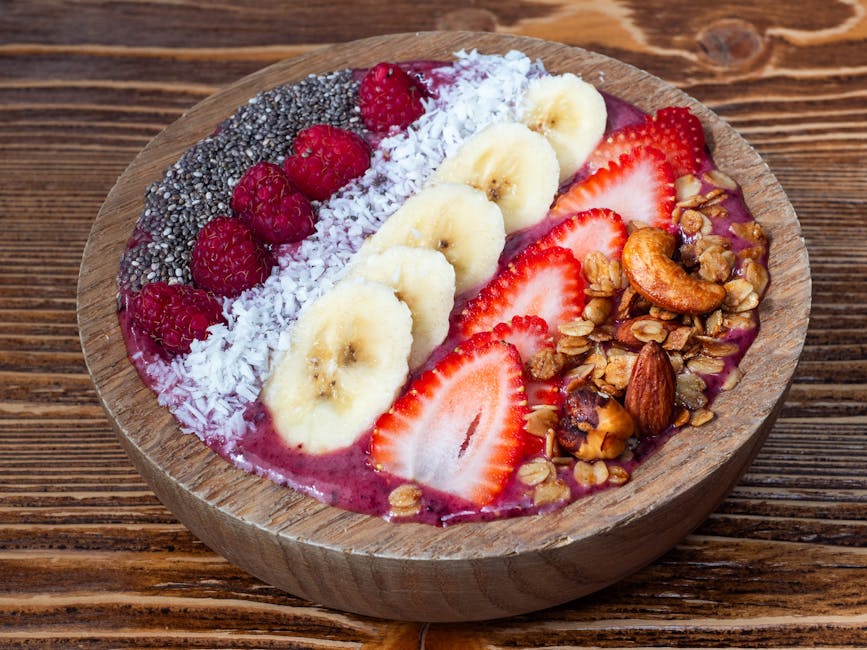
To make ragi smoothies even more appealing, consider garnishing them with colorful fruits or a sprinkle of nuts. You could even serve them in fun cups or with colorful straws to make it an exciting experience for your toddlers. Seriously, kids eat with their eyes first! I’ve even used cookie cutters to make fun shapes out of fruit to put on top.
Ragi for Different Age Groups
Ragi isn’t just for toddlers; it’s beneficial for kids of all ages! The way you incorporate it might just need a little tweaking. For older kids, you can increase the quantity of ragi in smoothies or experiment with more complex recipes like ragi dosas or rotis.
Babies (6-12 months)
For babies just starting on solids, ragi porridge is an excellent option. It’s gentle on their developing digestive systems and provides key nutrients. I started my daughter on ragi porridge around 7 months, and she loved it!
Toddlers (1-3 years)
This is where ragi smoothies really shine. They’re a quick and easy way to pack in nutrients for busy toddlers. Plus, you can easily customize them to suit their evolving tastes.
Older Children (4+ years)
As kids get older, you can introduce more complex ragi-based dishes. Think ragi dosas, ragi idlis, or even ragi-based desserts. The possibilities are endless!
Addressing Common Concerns About Ragi
I know some parents might have concerns about introducing new foods, and that’s perfectly normal! Here are a few common concerns I’ve heard and my thoughts on them.
“My child doesn’t like the taste of ragi.”
That’s okay! Ragi does have a slightly earthy taste, which some kids might find off-putting initially. The key is to mask the flavor with other ingredients they enjoy. Bananas, berries, and even a little bit of chocolate can do the trick. You can also try roasting the ragi flour before using it, which can enhance the flavor and make it more appealing.
“Is ragi difficult to digest?”
Ragi is generally easy to digest, especially when cooked properly. However, like any high-fiber food, it’s important to introduce it gradually to avoid any digestive discomfort. Make sure your child is also drinking plenty of water to help with digestion. If you’re still concerned, you can try soaking the ragi overnight before cooking it.
“Where can I buy ragi flour?”
Ragi flour is readily available in most grocery stores, health food stores, and online retailers. You can usually find it in the grains or gluten-free section. I personally prefer to buy organic ragi flour whenever possible. It’s a little more expensive, but I feel like it’s worth it for the peace of mind.
Conclusion
Incorporating ragi into your child’s diet can offer numerous health benefits while being versatile and delicious. Ragi smoothies are an excellent way to introduce this superfood, ensuring your little ones get the nutrition they need to grow and thrive. So, give it a try! You might be surprised at how much your kids enjoy it. Plus, you’ll be giving them a super healthy boost!
You Might Also Like

