

Theanine Lemon Balm Tea: Dosage, Timing, and Safety (Real-World Guide)

Theanine lemon balm tea is a simple combo I’ve used (and recommended to friends) for “calm but functional” days and gentler nights. Overall, the basic idea is straightforward: L-theanine tends to smooth out stress without making you feel foggy, while lemon balm tea is traditionally used for mild anxiety and sleep support. Practically, most people do well with 100–200 mg L-theanine plus 1–2 teaspoons of dried lemon balm (or a tea bag) steeped for 10–15 minutes.
That said, it’s not magic. Even so, you’ll still notice the basics matter—light exposure at night, caffeine timing, and whether you’re doom-scrolling in bed (guilty). However, if your nervous system feels like it’s stuck in “on,” this pairing can be a nice, low-drama tool. Below, I’ll walk you through dosage ranges, timing for daytime vs bedtime, what’s actually evidence-based, and who should be cautious.
what’s theanine lemon balm tea, exactly?
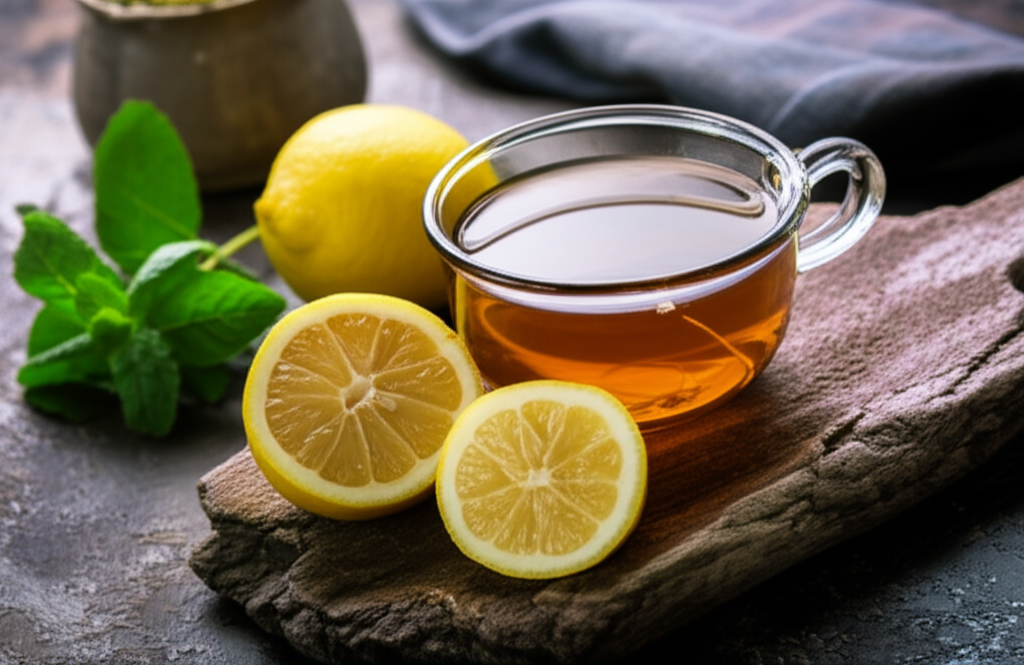
Theanine lemon balm tea usually means you’re drinking lemon balm (Melissa officinalis) as a tea and adding L-theanine (an amino acid most associated with green tea) as a capsule, powder, or drop-in stick pack. In practice, I’ve done it both ways—capsule + tea is easiest, while powder can be convenient if it dissolves well and doesn’t taste weird. Also, if you’re trying powder, start small so you don’t ruin a whole cup.
L-theanine is often used for relaxation and attention support. Meanwhile, lemon balm has a long tradition for soothing tension and supporting sleep. Also, lemon balm extracts have been studied for effects on stress and sleep quality, though results vary by product and dose. If you want a deeper, science-forward read on lemon balm, the NCCIH lemon balm overview is a solid starting point. For broader supplement safety basics, you can also check the FDA dietary supplement overview.
Does it actually work for stress and sleep?
Here’s the honest answer: for mild stress and sleep support, many people feel a noticeable shift, but it’s not the same as a prescription sedative—and that’s kind of the point. In other words, L-theanine is typically described as “calm focus.” By contrast, lemon balm feels more like “take the edge off,” especially in the evening.
Evidence-wise, L-theanine has been researched for stress responses and sleep quality in certain contexts. Similarly, lemon balm has also been studied for anxiety and sleep outcomes, often in extract form. Also, tea is gentler than concentrated extracts, so expectations should match that. According to a 2024 survey by the American Psychiatric Association, 43% of adults said they felt more anxious than the prior year, so it’s not surprising people look for gentle tools.
One practical detail people forget: sleep is a numbers game. For example, the CDC reports that adults generally need 7+ hours of sleep. If you’re consistently at 5–6, no tea combo fixes that. Still, it may help you get to sleep easier, or reduce that wired feeling at bedtime. Research from the American Academy of Sleep Medicine notes that about 12% of U.S. adults report chronic insomnia symptoms, so consistent routines matter.
On top of that, you’re not imagining how common daytime stress is. According to Gallup’s 2024 Global Emotions Report, 41% of adults worldwide said they experienced a lot of stress the previous day. As a result, gentle options like this often appeal when you don’t want something that’ll knock you out.
who’s this combo best for?
I see the best results in a few situations:
- Afternoon stress spirals: when you’re not panicking, but you’re tense and snappy.
- Evening “can’t switch off” brain: you’re tired, yet your mind is replaying conversations.
- Caffeine-sensitive folks: people who want calm without the heavy, druggy feeling.
- Light sleepers: especially if the issue is stress-related rather than pain-related.
On the other hand, if your insomnia is severe, loud snoring suggests sleep apnea, or anxiety is intense, consider talking to a clinician. Likewise, if you’re using alcohol to fall asleep, start there—because alcohol can wreck sleep architecture even if it knocks you out. In that case, you’ll get more mileage from changing habits than adding another tea.
Typical dosage ranges (what I’ve seen work)
Dosage depends on whether you’re using tea, extract, or a blended supplement. Specifically for a simple at-home routine:
- L-theanine: 100–200 mg per serving is a common starting range. Some people go up to 400 mg/day, split.
- Lemon balm tea (dried herb): 1–2 teaspoons per 8–12 oz hot water, steeped 10–15 minutes.
- Lemon balm tea bags: 1–2 bags, steeped 10–15 minutes (longer if you like it stronger).
If you’re new, start lower for 3 nights or 3 afternoons, then adjust. And, if you’re combining it with other calming supplements (magnesium glycinate, glycine, melatonin), use a lighter hand. Stacking everything at once is how people end up groggy and annoyed. To keep it simple, change one variable at a time.
Best timing: daytime calm vs bedtime
Timing matters more than most people think. As a result, it’s worth testing a consistent window for a week.
- Daytime calm focus: Take 100 mg L-theanine with lemon balm tea mid-morning or early afternoon. Notably, I avoid it too late in the day if I’m prone to vivid dreams.
- Bedtime support: Use 100–200 mg L-theanine about 30–60 minutes before bed, alongside lemon balm tea finished at least 30 minutes before sleep (unless bathroom trips wake you up).
If you’re experimenting, keep everything else stable for a week—same caffeine, same bedtime—so you can actually tell what changed. Otherwise, you’re guessing. In short, consistency beats “perfect” timing.
How to make lemon balm tea (that doesn’t taste like lawn clippings)
Lemon balm can be bright and citrusy, or it can taste flat depending on freshness. Here’s my no-fuss method:
- Boil water, then let it cool for 30–60 seconds (too-hot water can dull delicate herbs).
- Add 1–2 teaspoons dried lemon balm (or 1–2 tea bags).
- Cover and steep 10–15 minutes. Covering helps keep the aromatic compounds in the cup.
- Strain, then add a squeeze of lemon or a tiny bit of honey if needed.
Also, if you want it as a true “health drink,” you can pair it with a light snack that won’t spike you—Greek yogurt or a few nuts. For instance, a friend of mine swears that a small protein bite stops her from waking up at 3 a.m. hungry. Honestly, she might be onto something. If that happens to you, you’re not alone.
Buying tips: what to look for in L-theanine and lemon balm
Quality makes a bigger difference than people want to admit. Here’s what I check:
- L-theanine labeling: Look for a clear mg amount per serving and minimal filler. Some products use branded forms like Suntheanine (not required, but often consistent).
- Third-party testing: Prefer brands that publish COAs or at least mention independent testing. Supplement quality varies a lot; in fact, a 2017 study found 26% of tested supplements had ingredient substitutions not listed on the label (University of Guelph / BMC Medicine paper).
- Lemon balm freshness: For loose leaf, it should smell lemony-minty. If it smells like cardboard, it’ll taste like it too.
- Extract vs tea: Tea is gentler; extracts are stronger and more variable. Choose based on sensitivity and goals.
If you’re building a nightly routine, I’ll also say this: having a decent blender around makes “sleep-friendly smoothies” easier (think tart cherry, kefir, banana, cinnamon). That’s why I don’t hate recommending a solid Amazon blender—if you’ll actually use it. Still, you don’t need fancy gear to improve a routine.
Side effects (and what to do if you feel off)
Most people tolerate this combo well. Still, side effects can happen, particularly if you’re sensitive or you stack multiple calming products. For that reason, start low and give it a few days.
- Drowsiness or grogginess: More common if you take it too late in the day or use higher doses.
- Headache: Sometimes dose-related; try lowering L-theanine to 100 mg.
- Upset stomach: Usually from supplements on an empty stomach. Take with a small snack.
- Vivid dreams: Not dangerous, but annoying. Reduce dose or move earlier.
Importantly, if you notice dizziness, palpitations, rash, or breathing issues, stop and seek medical advice. That’s not the time to “push through.” In those moments, it’s smarter to play it safe.
Medication and supplement interactions (don’t skip this part)
This is where I get a little serious. While this routine is “natural,” it can still interact with meds or amplify effects. In particular, sedation can stack faster than you’d expect.
- Sedatives / sleep meds: Lemon balm may add to sedation. Therefore, combining with benzodiazepines, Z-drugs, or strong antihistamines can feel too heavy.
- Thyroid medications: Lemon balm has been discussed as potentially affecting thyroid activity in some contexts. If you’ve thyroid disease or take thyroid meds, ask your clinician first.
- Alcohol: Don’t mix for sleep. It can increase sedation while harming sleep quality.
- Other calming supplements: Melatonin, valerian, kava, ashwagandha, magnesium—stacking can be overkill. And, kava has liver safety concerns for some users.
If you’re pregnant, breastfeeding, managing a chronic condition, or taking prescription meds, check with a healthcare professional. The NIH Office of Dietary Supplements is also useful for background info when you’re researching ingredients. Above all, don’t guess with medication interactions.
Can you take it every day?
Many people use L-theanine daily without issues, and lemon balm tea is commonly used as a regular herbal tea. Even so, I like a simple rule: if you feel like you “need” it to function, take a step back and reassess sleep hygiene, caffeine, and stress load. In that scenario, it’s a signal—not a failure.
Practically, I’ve found a 5 days on / 2 days off approach helps some people keep the effect noticeable. Alternatively, rotate it: lemon balm tea nightly, L-theanine only on high-stress days. Either way, you’ll learn what actually moves the needle.
My simple 7-day experiment plan (so you don’t waste time)
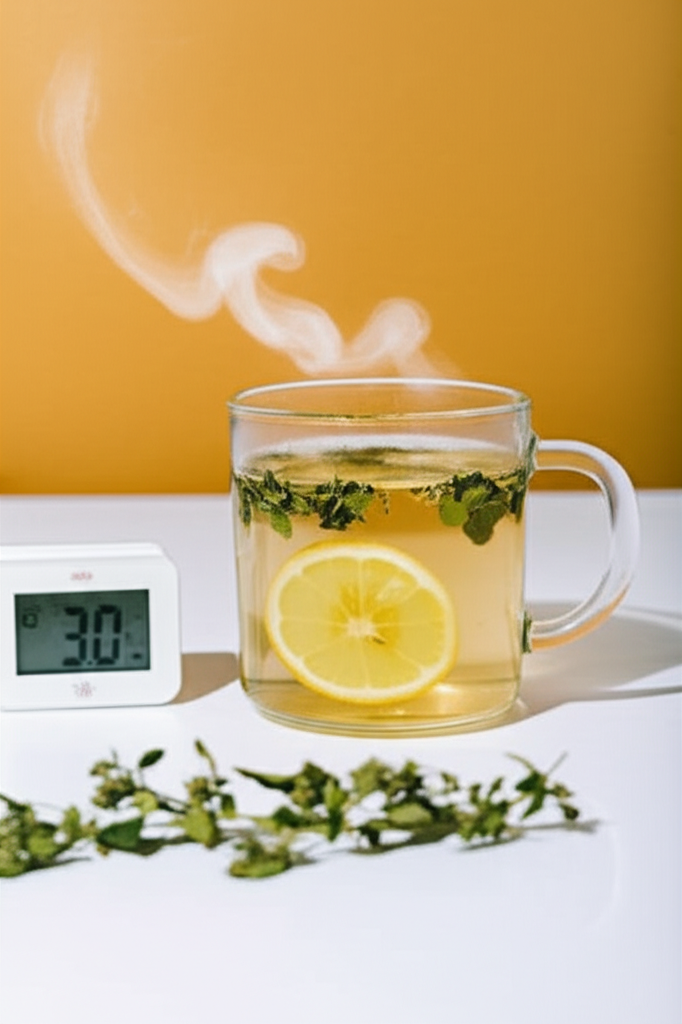
If you want to know whether theanine lemon balm tea is worth keeping, test it like a normal person, not like a supplement influencer. Basically, you’ll keep the setup boring so the results are clear.
- Days 1–3 (baseline): No changes. Track bedtime, wake time, and how long it takes to fall asleep.
- Days 4–7 (test): 100 mg L-theanine + one cup lemon balm tea 45 minutes before bed.
- Track 3 things: time to fall asleep, number of wake-ups, and morning grogginess.
That’s why, you’ll have a clearer yes/no answer instead of vibes. If it helps but you feel sleepy the next morning, lower the L-theanine or finish the tea earlier. Then, retest for two more nights so you aren’t fooled by a one-off.
If you like seeing someone walk through timing and routine ideas, the video above is a nice visual break before you decide what to try. After that, pick one plan and stick with it for a week.
Quick summary (read this if you’re busy)
Theanine lemon balm tea can be a gentle, evidence-informed way to support stress relief and better sleep, especially for people who feel wired but not truly “insomniac.” To start, use 100 mg L-theanine and one cup of lemon balm tea 30–60 minutes before bed, then adjust. Be cautious with sedatives, thyroid issues, and supplement stacking. If anything feels off, don’t power through it.
[content-egg-block template=offers_list]
You Might Also Like
