

Low Histamine Smoothies: 5 Gut-Friendly Recipes That Actually Taste Good

Low histamine smoothies are blended drinks built from ingredients that are typically lower in histamine. They’re also less likely to trigger symptoms for people who react to histamine or histamine-liberating foods. In practice, that means skipping common smoothie staples like yogurt, banana, spinach, and leftover “meal-prep” blends sitting in the fridge for days. Instead, you’ll lean on fresh (or frozen right away) fruit, gentle greens, simple proteins, and smart storage so histamine doesn’t creep up after blending.
I’m not a doctor, and I’m definitely not here to diagnose you. Still, I’ve cooked for a family member who gets that classic “why is my face hot and my nose running?” reaction after certain foods. At first, smoothies were tricky because a lot of “healthy” add-ins are exactly the ones people with histamine issues can’t tolerate. Once we simplified the ingredient list and got serious about freshness, things got a lot easier.
If your blender is struggling, you’ll fight your smoothie every morning (I’ve been there). Fortunately, a basic high-speed blender makes low histamine smoothies smoother with less air whipped in. Plus, it pulverizes frozen fruit fast, so you don’t have to let it thaw on the counter. I’ve used a NutriBullet-style personal blender for years for quick single servings. Honestly, it’s the least annoying option on busy mornings.
Before we get into recipes, here’s a quick note. “Low histamine” isn’t one official list that works for everyone. In other words, your tolerance can be wildly personal. And, some people react to histamine liberators even if the food itself isn’t high in histamine. So, use these recipes as a starting point, then tweak based on your own notes.
What are low histamine smoothies (and why do they matter)?
Low histamine smoothies are smoothies designed to minimize histamine load. They do that by using fresh, typically lower-histamine ingredients. They also cut down histamine formation after blending. Importantly, histamine is a natural compound involved in immune responses. However, some people seem to break it down poorly. People often discuss that in the context of histamine intolerance or mast cell issues.
Interestingly, histamine intolerance is commonly described as an imbalance. It’s the gap between histamine intake and the body’s ability to break it down. Often, that involves the enzyme DAO (diamine oxidase). For a medical overview, Cleveland Clinic has a helpful explainer on histamine intolerance and typical symptoms: Cleveland Clinic: Histamine Intolerance. For deeper background on histamine biology, you can also review NCBI Bookshelf: Histamine. For food safety basics that affect storage decisions, you can also check FoodSafety.gov.
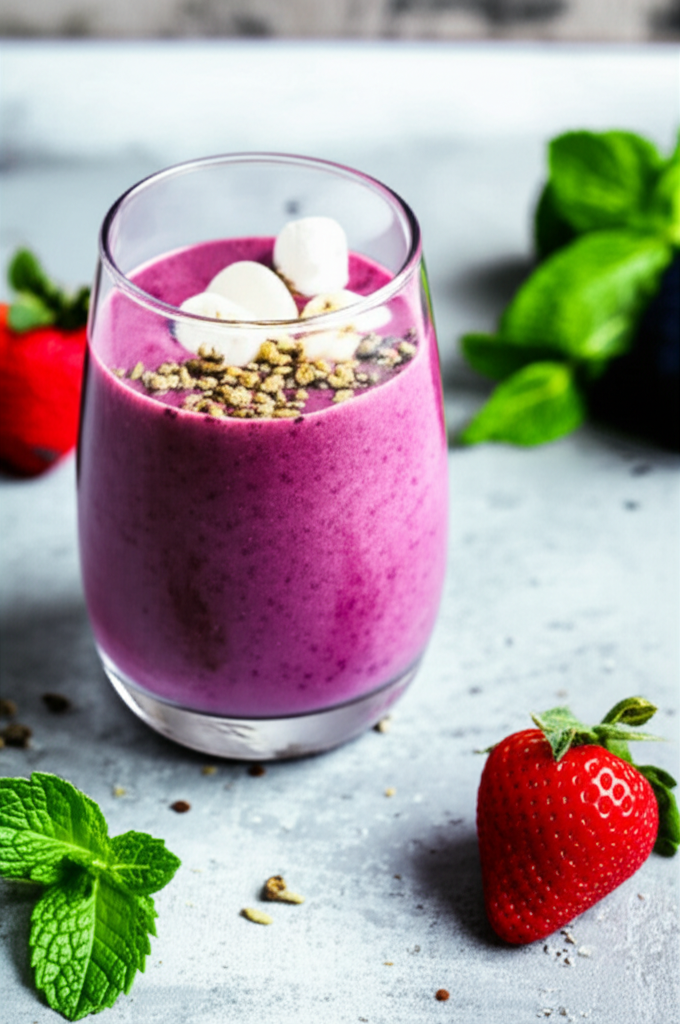
Also, keep in mind that histamine in foods can rise with time. That’s especially true in leftovers. That’s why smoothies can be sneaky. For example, you might blend something in the morning and sip it slowly for hours. Then you wonder why you feel “off” by lunchtime. As a result, timing and storage matter as much as ingredient choice.
Who should consider low histamine smoothies?
You might want to experiment with low histamine smoothies if you notice you feel worse after aged foods. Fermented foods can also be an issue. Similarly, long-stored foods can trigger symptoms. For example, people often mention flushing, hives, headaches, congestion, digestive upset, or a racing heart. In particular, those reactions can show up after foods such as aged cheese, wine, sauerkraut, kombucha, cured meats, or leftover fish.
That said, symptoms overlap with a bunch of other issues. Therefore, if your reactions are intense or frequent, it’s worth discussing with a clinician. For a broader, evidence-based look at food reactions, the NHS has practical allergy/intolerance guidance you may find useful: NHS: Food allergy.
One more detail I wish someone had told me earlier is this. The goal isn’t to eat “perfectly low histamine forever.” Instead, for many people, it’s a short-term strategy to calm symptoms and find patterns. Then you can reintroduce foods carefully. Meanwhile, keeping a simple symptom log can help you spot trends. Ultimately, you’ll learn what you can tolerate and what you can’t.
How do you choose ingredients for low histamine smoothies?
Here’s the framework I use when building these blends at home:
- Start with very fresh produce (or freeze it quickly). The older it’s, the more questionable it gets.
- Pick “gentle” fruits like blueberries, mango, pears, apples, and grapes. However, citrus can be a problem for some, so go slow there.
- Choose low-histamine greens like romaine or butter lettuce. For many people, spinach is a common trigger even though it’s “healthy.”
- Use simple liquids: cold water, coconut water (if tolerated), or a non-dairy milk without gums/additives that bother you.
- Keep proteins boring: collagen peptides or a simple rice/pea protein can be easier than yogurt or kefir.
On the stats side, it helps to understand how common food reactions are overall. For example, the CDC reports that about 6% of U.S. adults have food allergies (it’s not the same as histamine intolerance). Still, it shows how common food-triggered symptoms can be: CDC NCHS Data Brief 435. And, IBS affects an estimated about 11% of the global population, according to a frequently cited review in Gastroenterology: Gastroenterology: IBS epidemiology. Finally, according to a 2024 survey by the International Food Information Council (IFIC), 18% of Americans reported following a “low” or “reduced” diet: IFIC: 2024 Food & Health Survey. Notably, lots of people are experimenting with diet tweaks because their gut’s simply sensitive.
5 low histamine smoothie recipes (gut-friendly and not sad)
All five recipes below are written for one large serving. I’m assuming you’ll drink it right away. If you need to store it, jump to the storage section because that part matters.
1) Blueberry Pear “Calm” Smoothie
- 1 cup frozen blueberries
- 1 ripe pear, cored (skin on is fine)
- 1 cup cold water (or tolerated non-dairy milk)
- 1 scoop unflavored collagen peptides (optional)
- 1/2 tsp cinnamon
How I make it: First, blend the liquid with collagen. Then add the fruit. If it’s too thick, add a splash of water. Cinnamon does a lot of heavy lifting here flavor-wise.
2) Mango Lettuce “Sunshine” Smoothie
- 1 cup frozen mango
- 1–2 cups romaine or butter lettuce
- 3/4–1 cup coconut water (if tolerated) or water
- 1 tbsp chia seeds (optional; some people don’t love them)
How I make it: First, blend greens and liquid until totally smooth. Then add mango. This prevents the dreaded leafy bits (you know the ones).
3) Apple Ginger “Reset” Smoothie
- 1 large sweet apple, cored
- 1/2 cup frozen blueberries or grapes
- 1 cup water
- 1/4 tsp freshly grated ginger (tiny amount at first)
- Pinch of salt
How I make it: If you’re ginger-sensitive, start with a whisper of ginger. On the other hand, if you tolerate it, ginger makes this taste way more interesting than “apple water.”
4) Peach Vanilla Protein Smoothie
- 1 cup frozen peaches
- 1 cup water or non-dairy milk you tolerate
- 1 scoop simple protein powder (rice protein is often easiest)
- 1/2 tsp vanilla extract (alcohol-free if you’re sensitive)
How I make it: First, blend liquid and protein so it doesn’t clump. Then add peaches. In my experience, this one feels closest to a “normal” smoothie. Sometimes, that’s emotionally important.
5) Cucumber Melon “Hydrate” Smoothie
- 1 cup honeydew or cantaloupe chunks (fresh or frozen)
- 1/2 cucumber, peeled if the skin bothers you
- 3/4 cup water
- Handful of mint (optional and very individual)
How I make it: Basically, this is a drinkable spa day. Plus, it’s a nice break when you’re tired of berry-based everything. If you want it colder, add ice and blend longer.
What should you avoid adding to low histamine smoothies?
This is where most people accidentally sabotage their “healthy smoothie.” Also, it usually happens with add-ins that sit in the fridge forever. Aged and fermented ingredients can also cause trouble.
Here’s my practical swap list. It’s not a medical list. Instead, it’s the patterns I’ve seen work for sensitive folks.
Common higher-histamine (or commonly reactive) add-ins
- Yogurt, kefir, kombucha (fermented)
- Banana (a frequent problem for people doing this approach)
- Spinach
- Chocolate/cocoa
- Protein powders with lots of additives, flavors, or “probiotic blends”
- Nut butters that are old or have been open a long time
- Anything leftover and aging in the fridge (including pre-blended smoothies)
Lower-histamine-leaning swaps (often better tolerated)
- Instead of yogurt/kefir: water, coconut water, or a simple non-dairy milk
- Instead of banana: pear, mango, or extra frozen blueberries for thickness
- Instead of spinach: romaine, butter lettuce, or skip greens entirely
- Instead of cocoa: cinnamon or vanilla (if tolerated)
- Instead of “fancy” protein: unflavored collagen or a minimal-ingredient rice protein
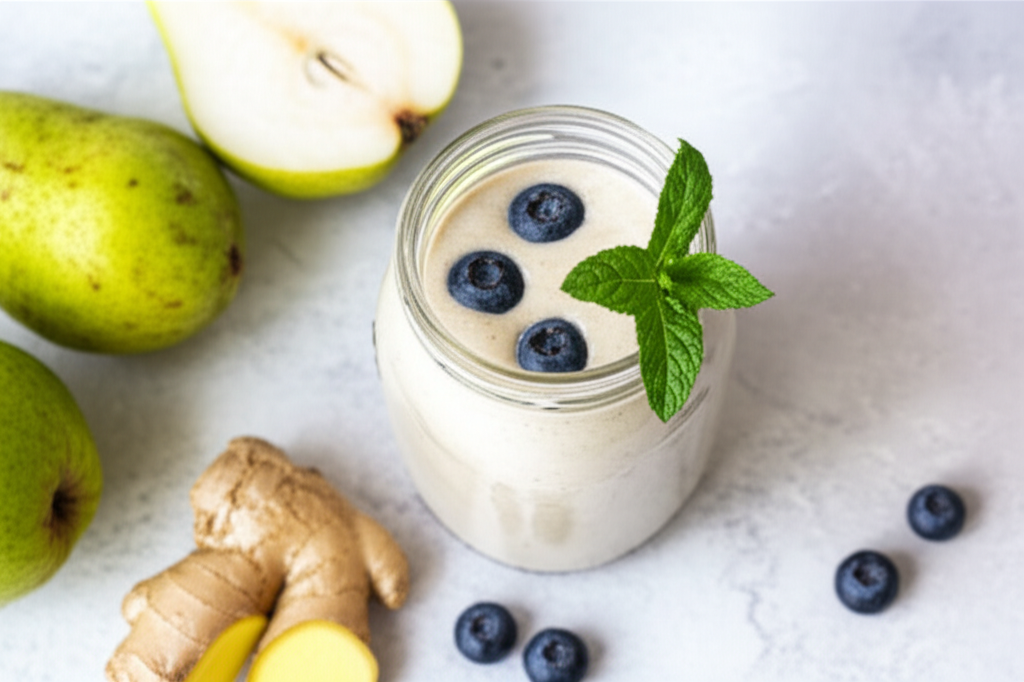
If you’re thinking, “Cool… so what can I add?” I get it. Besides fruit and lettuce-based greens, I’ve had good luck with tiny amounts of cinnamon, a pinch of salt (seriously), and ice. Small changes help a lot. In fact, they make the flavor feel finished.
How can you store low histamine smoothies without making them worse?
If there’s one rule I’d tape to my fridge, it’s this: drink immediately or freeze fast. Over time, histamine can build as food sits. Blended food also has more surface area, which doesn’t help.
- Best: Blend and drink right away.
- Okay: Store in a completely full airtight jar (less air) for a short time, kept very cold, then drink as soon as you can.
- Better for meal prep: Freeze smoothie portions immediately after blending (silicone trays work), then re-blend with a splash of water when you’re ready.
- Best meal-prep hack: Make freezer smoothie packs (fruit + greens), then blend fresh each morning.
Also, don’t underestimate the “half-sipped bottle” effect. Meanwhile, if you’re carrying it around for hours, it warms up. That’s when people often tell me symptoms show up later. Then they can’t connect the dots.
Video: low histamine smoothie recipes gut friendly
My quick troubleshooting notes (the stuff you only learn by doing)
- If it tastes “flat,” add a pinch of salt. It sounds weird. It works.
- If it’s too thin, use more frozen fruit instead of banana.
- If it’s too thick, add water in tiny splashes. Don’t dump in a cup and regret it.
- If you’re reacting anyway, simplify: 2 fruits + water, nothing else, for a few days. Then add one thing back at a time.
And yes, ingredient quality matters. Specifically, I’ve noticed older fruit (the stuff you keep meaning to eat) is more likely to cause trouble. By contrast, a fresh bag of frozen berries usually goes down easier.
Summary: the simplest way to make low histamine smoothies work
Low histamine smoothies aren’t about perfection. Instead, they’re about control. You’ll use fresher ingredients and fewer “extra” add-ins. You’ll also store them smarter. Start with one recipe, track how you feel, and adjust slowly. And, don’t meal-prep blended smoothies for days. Instead, freeze packs or freeze portions. Your body (and your mornings) will thank you.
[content-egg-block template=offers_list]
Frequently Asked Questions
Are low histamine smoothies good for gut health?
They can be, especially if your gut symptoms worsen after fermented, aged, or leftover foods. In general, these blends tend to be simpler and easier to digest. However, “gut-friendly” is individual, so start with a short ingredient list and track symptoms for a week.
Can I use frozen fruit in low histamine smoothies?
Yes. In fact, frozen fruit is often a great choice because it’s usually frozen soon after harvesting, which can limit spoilage. Also, frozen fruit helps you avoid using overripe produce sitting on the counter. Just check for added sugars or mixes you don’t tolerate.
Why do leftovers matter for histamine?
Histamine can increase as food sits, especially in protein-rich foods. Also, blended foods can be more sensitive because they’ve got increased surface area. Therefore, smoothies stored for hours (or days) may cause more issues than the same ingredients freshly blended. Freezing soon after blending can help.
What’s a good banana substitute in a low histamine smoothie?
Pear and mango are my go-to swaps for creaminess. Also, extra frozen blueberries can thicken a smoothie without changing the flavor too much. If you need even more body, add ice and blend longer. Or, try a small scoop of collagen peptides if tolerated.
Do I need a special blender for low histamine smoothies?
You don’t need anything fancy, but a strong blender makes life easier. For instance, a high-speed or personal blender can pulverize frozen fruit quickly, so you don’t have to thaw ingredients. On top of that, smoother blends often feel gentler on digestion than gritty, under-blended smoothies.
You Might Also Like
