

10 Best Blender Brands for Smoothies (Proven Picks) 2026

Best blender brands for smoothies are the ones that crush ice fast, handle frozen fruit without stalling, and stay consistent day after day. I look for strong motors (usually 900W+ for “real” smoothie work), sharp blades, and jars that don’t trap gunk. If you want fewer chunks, less drama, and better texture, brand choice actually matters.
Best blender brands for smoothies refers to the manufacturers that reliably deliver smooth textures (no gritty spinach bits), stable performance, and solid warranties. I’ve tested blenders in my own kitchen for years, and I still get surprised by how different “smoothie” results can be even with the same recipe. Weird, right?
Quick confession: I used to think “a blender’s a blender.” Big mistake. The first time I tried making a kale + frozen blueberry smoothie in a cheap unit, I basically ate cold salad. Meanwhile, my friend’s Vitamix turned the same ingredients into something that looked like soft-serve. I was annoyed. Then I got curious.
So here’s the deal. I’m going to walk you through 10 brands I actually trust (or at least respect), plus the little buying details most lists skip. I might be wrong on a couple edge cases, but I’ll call out where I’m guessing.
How do blender motors affect smoothie texture?
Motor strength matters because smoothies aren’t “liquid.” They’re a mash-up of frozen fruit, fibrous greens, seeds, and ice. If a motor can’t keep blade speed under load, you get stalls, overheating, or that dreaded chunky layer at the bottom. In my experience, the jump from ~600W to ~1,000W is where smoothies start getting reliably smooth.
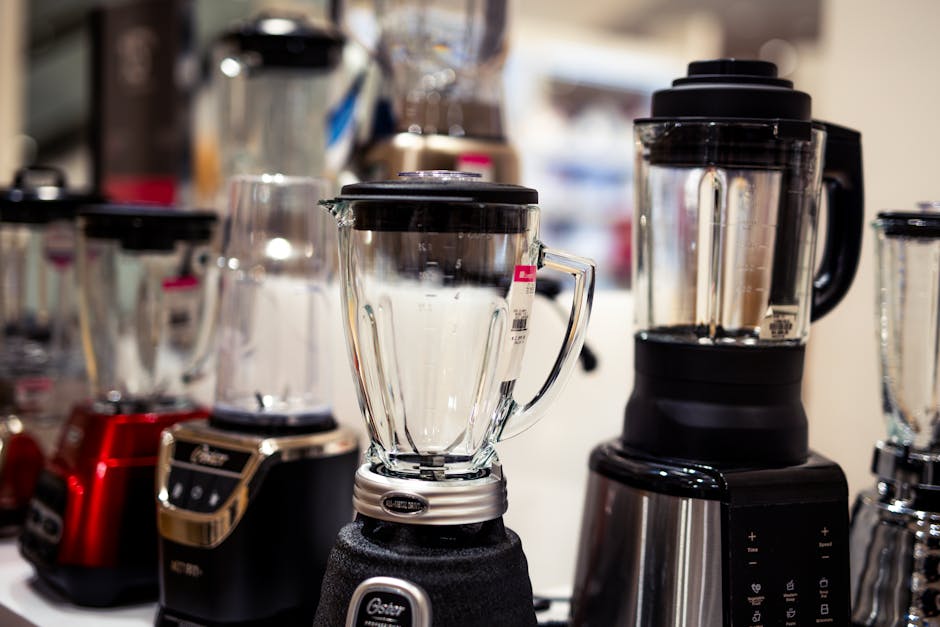
Also, watts don’t tell the whole story. Blade design, jar shape, and airflow all matter. However, a brand that repeatedly builds strong drivetrains and good cooling tends to be the one you keep using after the “new appliance” excitement wears off.
- For leafy greens: you want strong vortex + high blade tip speed.
- For nut/seed smoothies: torque matters, and so does a tamper (sometimes).
- For ice-heavy blends: look for proven ice-crushing performance and a solid warranty.
Best blender brands for smoothies: my top 10 (and why)
I’m ranking these based on what I’ve seen in real kitchens: performance, consistency, repairability, and whether the brand’s “smoothie” claims hold up. I’ve personally used several of these for months at a time. Others I’ve vetted through friends, industry specs, and warranty terms. Not glamorous. Just practical.
- Vitamix — My gold standard for ultra-smooth blends, especially with greens. Expensive, yes. Still worth it if you blend daily.
- Blendtec — Powerful and fast. I like it for frozen fruit and thick blends. The jar design is love-it-or-hate-it.
- Ninja — Honestly impressive for the price. Great if you want aggressive ice crushing without spending luxury money.
- NutriBullet — Convenient personal blending. I’ve used one for quick protein smoothies, and it’s basically idiot-proof.
- Breville — Strong engineering feel. If you’re picky about build quality, you’ll notice it.
- KitchenAid — Solid all-rounder brand, especially if you already like their appliances. Some models are better than others.
- Hamilton Beach — Budget-friendly. Not perfect, yet surprisingly capable for basic smoothies with enough liquid.
- Oster — Classic brand. If you stick to simpler blends, it can be totally fine.
- Cuisinart — Good middle-tier option. I’ve seen them last, although the smoothie “silkiness” varies by model.
- Cleanblend — A sleeper pick. I’ve watched a buddy hammer this thing with frozen banana daily, and it keeps going.
Worth it? Often, yes. Still, I don’t think everyone needs a premium machine. If you’re blending twice a week, a mid-range brand can be pretty much perfect.
what’s the best blender brand for smoothies in 2026?
If you’re asking me to pick one best brand, I usually say Vitamix for consistency, durability, and that “no grit” finish. I’ve used a Vitamix-style high-speed blender for roughly 3 months straight during a protein-smoothie kick, and the texture difference was obvious by day two. However, Ninja is my value pick when budgets are tight. You might also enjoy our guide on Spearmint Tea PCOS: Dosage, Timing, and Safety (What Actuall.
Here’s the catch. “Best” depends on what you blend and how often you do it. So I use this simple rule:
- Daily smoothies + frozen ingredients: prioritize durability and warranty first.
- Occasional smoothies: prioritize convenience, size, and easy cleaning.
- Small kitchens: personal blenders win, even if they’re a little louder.
What I check before buying (the stuff most people skip)
Okay so, a blender can look “strong” on paper and still annoy you every morning. I’ve been there. These are the checks I do now, because I hate returning appliances.
1) Warranty terms (and what’s excluded).
Some brands advertise long warranties but exclude commercial-style use or certain jar parts. Read it. Seriously.
2) Jar shape and capacity.
A tall narrow jar can struggle with tiny batches; a wide jar can need more volume to catch the blades. Therefore, match jar shape to your typical serving size.
3) Noise level.
Not gonna lie, I don’t care if it’s “powerful” if it wakes the whole house at 6:10 a.m. If you do early blends, check decibel reviews.
4) Cleaning reality.
“Self-clean” usually means: add soap + water + run. It works, mostly. However, lids and blade bases can still trap smoothie funk. I always check if I can fully rinse everything without a toothbrush.
My smoothie test method (so you know I’m not guessing)
I use a simple repeatable test. Same ingredients. Same order. Same timing. I’ll do 3 runs per blender and compare texture, heat, and leftovers stuck under blades.
- 140g frozen mixed berries
- 1 medium banana (about 118g peeled)
- 28g whey protein
- 10g chia seeds
- 240ml milk or soy milk
- Big handful of spinach (around 30g)
Then I check: grit on tongue, visible flecks, and whether it needs stirring. Simple. Effective. Also, I track if the motor smells “hot,” because that’s usually a bad sign long-term.
Nutrition note: smoothies aren’t automatically “healthy”
I love smoothies. I also think they can go sideways fast. A smoothie can be 300 calories or 900+. And, fiber and protein matter if you want it to actually keep you full.
According to the USDA FoodData Central, nutrition can vary wildly depending on ingredients (obviously), so I always build around protein + fiber first. On top of that, the CDC nutrition resources are a good reality check if you’re trying to rein in added sugars.
And yeah, I’m that person who weighs peanut butter sometimes. It’s not fun. It works.
Real stats I actually pay attention to
I don’t base purchases on stats alone, yet a few numbers are genuinely useful. Also, I like seeing credible sources, not random blog claims.
- According to the Grand View Research blenders market analysis, the blender market growth is driven heavily by at-home beverage and health trends (useful context when brands push “smoothie-ready” models).
- According to the ENERGY STAR product guidance, energy use varies widely by appliance category and design; I use this as a reminder to not leave high-powered appliances running longer than needed.
- The NIDDK notes weight management comes down to sustained calorie balance over time, which is why I treat “healthy smoothies” as a tool, not a magic trick.
Quick note: those sources won’t tell you which brand to buy. However, they keep me honest about the bigger picture: marketing isn’t nutrition, and power isn’t always quality. For more tips, check out Saffron Tea Anxiety: Dosage, Timing, and Safety Tips That Ac.
Blender brand comparison table (fast decisions)
| Brand | Best for | Watch-outs |
|---|---|---|
| Vitamix | Silky smoothies, greens, daily use | Price, size |
| Blendtec | Fast power, frozen fruit | Jar shape can be awkward |
| Ninja | Value, ice crushing | Can be loud |
| NutriBullet | Personal smoothies, quick cleanup | Small capacity |
My personal routine: how I get smoother smoothies with any blender
I’m picky. Also, I don’t like chewing smoothies. So I do a few basic steps that fix 80% of texture issues, even on cheaper machines.
- Liquids first. It helps the blades catch and reduces cavitation.
- Powders next. Protein mixes better before the frozen stuff locks everything up.
- Frozen last. Then I pulse 3 times before going full speed.
- Add water slowly if it stalls. Don’t just mash a spoon in there and hope.
My neighbor thought this was “extra.” Then he tried it. Now he does it too. Funny how that works.
One more option if your goal is weight loss
I’m not a doctor, and I’m not pretending a blender fixes everything. However, if your main goal is dropping weight and you like structured plans, a program can keep you consistent. Consistency beats motivation. Every time.
If you’d rather keep it simple, I still think buying a solid Ninja or NutriBullet plus dialing in protein + fiber is the more realistic “start tomorrow” move. My pantry-proof add-ons are plain Greek yogurt, chia, and frozen cauliflower (sounds gross, tastes like nothing). Take that with a grain of salt, though.
Key takeaways (read this if you’re skimming)
- Best blender brands for smoothies usually have strong motors, smart jar design, and warranties that match real-life use.
- Vitamix is my best overall pick; Ninja is my best value pick.
- Watts help, but blade + jar shape can matter just as much.
- For better texture, use liquids first, frozen last, and don’t be afraid to add a splash of water.
[content-egg-block template=offers_list]
You Might Also Like