

Oat Milk Electrolyte Drink: Low-Sodium Hydration Recipe That Actually Tastes Good

Oat milk electrolyte drink is a gentle, low-sodium way to rehydrate when you don’t need (or can’t tolerate) a salty sports drink. To keep it repeatable, my go-to recipe is simple: oat milk + water + a measured pinch of lite salt (optional) + a magnesium-friendly add-in like cocoa or pumpkin seeds, plus flavor (vanilla, cinnamon, or berries). It’s especially handy after a light workout, on hot days, or when your stomach’s being picky.
I started making this because I’m one of those people who feels gross after most neon sports drinks (too sweet, too salty, and my mouth feels… coated?). Meanwhile, coconut water is great sometimes; however, it can get pricey fast, and I don’t always want that distinct flavor. Instead, this homemade version feels calmer, costs less, and lets you dial the minerals up or down without dumping in sugar.
Before you mix anything, read your oat milk carton. Because some brands add salt and sugar (and some don’t), you’ll want to compare labels. I personally buy unsweetened oat milk whenever I’m using it as a “functional” base (not dessert-in-a-glass). If you want to bump nutrients without sweeteners, an organic superfood powder can be a nice add-on—just check it’s not loaded with added sugar.
Also, quick reality check: electrolyte needs are personal. If you’re doing long endurance sessions, sweating heavily, or you’ve been told to manage sodium/potassium for medical reasons, talk to a clinician. Otherwise, this recipe stays in a practical “middle lane” between plain water and heavier sports formulas.
what’s an oat milk electrolyte drink (and why make it low-sodium)?
An oat milk electrolyte drink is simply a hydration drink that uses oat milk as part of the liquid base, then adds small, intentional amounts of minerals (mainly sodium, potassium, and magnesium). Low-sodium matters if you’re sensitive to salty drinks, you’re not sweating buckets, or you just want something you can sip without feeling puffy afterward. Plus, oat milk gives a smooth texture that makes “mineral water” taste less like… minerals.
Interestingly, there’s a weird little bonus I noticed: a bit of oat milk seems to make it easier on an empty stomach. By comparison, plain electrolyte water can hit sharp; this feels softer. Still, that’s not medical advice—it’s just what I’ve noticed after a few too many warm-weather walks.
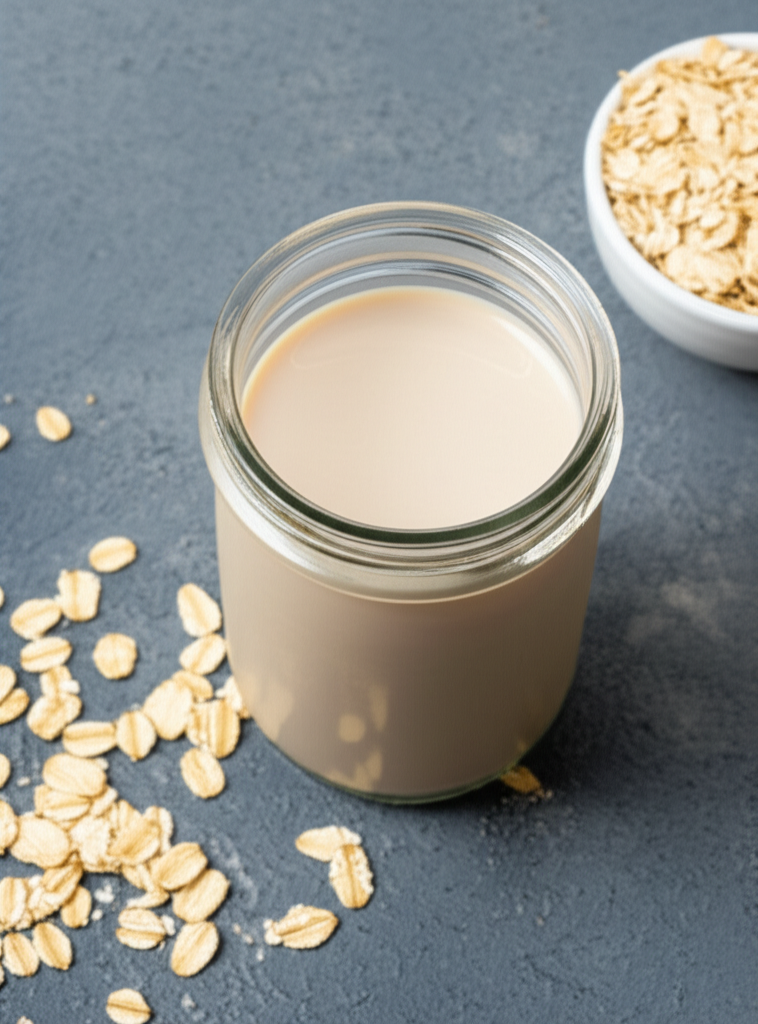
How do you make a low-sodium oat milk electrolyte drink? (Exact recipe)
If you want a measurable, repeatable drink (not a “pinch of this, splash of that” situation), this is the recipe I keep coming back to. Plus, it’s lightly mineralized, not salty.
Base recipe (1 large serving, about 16 oz / 475 ml)
- 3/4 cup (180 ml) unsweetened oat milk
- 3/4 cup (180 ml) cold water
- 1 tsp (5 ml) fresh lemon or lime juice (optional, for taste)
- 1/16 tsp lite salt (optional; that’s a tiny pinch—see notes below)
- 1/8 tsp unsweetened cocoa powder (optional, gentle magnesium boost)
How I mix it
- First, add water, then oat milk (it blends smoother).
- Next, whisk in lemon juice and cocoa powder.
- Then, if you’re using lite salt, add 1/16 tsp and stir well.
- Finally, taste it. If it tastes “flat,” add a few more drops of lemon or a pinch of cinnamon.
About the “lite salt”: Lite salt is usually a blend of sodium chloride + potassium chloride. As a result, you get some potassium without pushing sodium too high. Start tiny. Too much potassium chloride can taste bitter or metallic, so don’t get brave on day one.
For reference, many Americans already consume a lot of sodium. The CDC notes that average sodium intake is over 3,400 mg/day (above recommendations) (CDC). What’s more, according to a 2024 survey by the International Food Information Council (IFIC), 55% of Americans say they try to limit or avoid sodium in their diets (IFIC).
On the sugar side, research adds useful context. According to a 2023 CDC analysis, more than 50% of U.S. adults drink at least one sugar-sweetened beverage on a given day (CDC). Meanwhile, a 2024 report from the American Heart Association says about 1 in 5 U.S. adults’ calories come from fast food on a given day (roughly 20%), which can push both sodium and added sugar higher (American Heart Association).
When is this drink actually useful?
I reach for this on days when plain water isn’t cutting it; however, I also don’t need a full sports-drink blast. In practice, it shines in a few situations.
- Light workouts (walking, yoga, easy lifting): You get fluid plus a modest mineral nudge.
- Heat exposure: Especially if you’re outdoors and notice mild headache or fatigue.
- Sensitive stomach: The oat milk base feels “softer” than acidic juices or salty mixes.
- Afternoon slump: If you’ve been sipping coffee all day and forgot water exists.
That said, it’s not meant to replace clinical oral rehydration solutions. For significant dehydration (vomiting, diarrhea, high fever), use a medically appropriate ORS and talk to a professional. For example, the World Health Organization’s ORS formula targets illness-related fluid loss and it’s more specific than a casual kitchen drink (WHO).
Flavor add-ins that don’t turn it into a sugar bomb
Oat milk has a naturally cozy flavor, so you don’t need much to make this taste good. Also, if you’re trying to keep it low-sugar, you’ve got options.
Option 1: Cinnamon-vanilla “latte vibe”
- 1/8 tsp cinnamon
- 1/4 tsp vanilla extract
- Skip berries for this one (it gets weird fast)
Option 2: Berry version (still not overly sweet)
- 2–4 raspberries or blueberries, lightly mashed
- Extra squeeze of lemon to brighten it
Option 3: Ginger-citrus
- 1/8 tsp grated fresh ginger (or a tiny pinch of ground ginger)
- 1–2 tsp lemon or lime juice
For an even colder, more refreshing sip, blend it with a handful of ice. Interestingly, a colder temp can make the “minerally” taste less noticeable, especially if you used lite salt.
How does it compare vs coconut water and sports drinks?
This is where people usually argue in the comments, so I’ll be blunt: each option has a moment.
Vs coconut water
Coconut water is naturally rich in potassium, and it’s convenient. However, the taste is polarizing, and many brands contain more sugar than you’d expect. If you love coconut water, keep it. If you don’t, this oat milk base gives you a neutral canvas, and you control the sweetness.
Vs typical sports drinks
Sports drinks can be useful during long, intense exercise because they often include a meaningful sodium dose plus carbs. Still, lots of them are basically sweetened beverages with electrolytes. For example, many mainstream sports drinks land around 34 g added sugar per 20 oz (you can verify on labels; the FDA Daily Value for added sugars is 50 g) (FDA). That’s why, if you’re just doing a light session, it’s often more sugar than you need.
Where this recipe fits
This oat milk electrolyte drink fits in the “easy hydration” category: gentler than salty mixes, less sweet than sports drinks, and more customizable than coconut water. To be clear, it’s not a performance fuel. Instead, it’s an everyday hydration tool you’ll actually want to drink.
How to adjust potassium and magnesium using common ingredients (no added sugar)
This is the part most recipes skip, and honestly it’s the part people actually need. So, you can adjust minerals without turning your drink into syrup.
To increase potassium (without adding sugar)
- Lite salt: Start with 1/16 tsp. If it tastes fine, go up to 1/8 tsp max per 16 oz. Don’t exceed that unless you really know your tolerance.
- Unsweetened cocoa: Small amounts add minerals and depth. It won’t give huge potassium alone; however, it helps overall.
- Choose oat milk with higher potassium: Some cartons list potassium; pick the higher one if you’re aiming for it.
To increase magnesium (still low-sodium)
- Unsweetened cocoa powder: My favorite “sneaky” choice because it mixes easily.
- Pumpkin seed butter (1 tsp): Adds magnesium and creaminess, though it changes the flavor.
- Chia seeds (1 tsp): They thicken the drink, so shake well and drink sooner rather than later.
Magnesium supplements are a whole separate conversation. Since some forms can upset your stomach, I prefer food-based tweaks in a drink like this. If you’re considering supplements, run it by a pharmacist or clinician, especially if you take medications. For supplement safety basics, you can also check the NIH Office of Dietary Supplements guidance (NIH ODS).
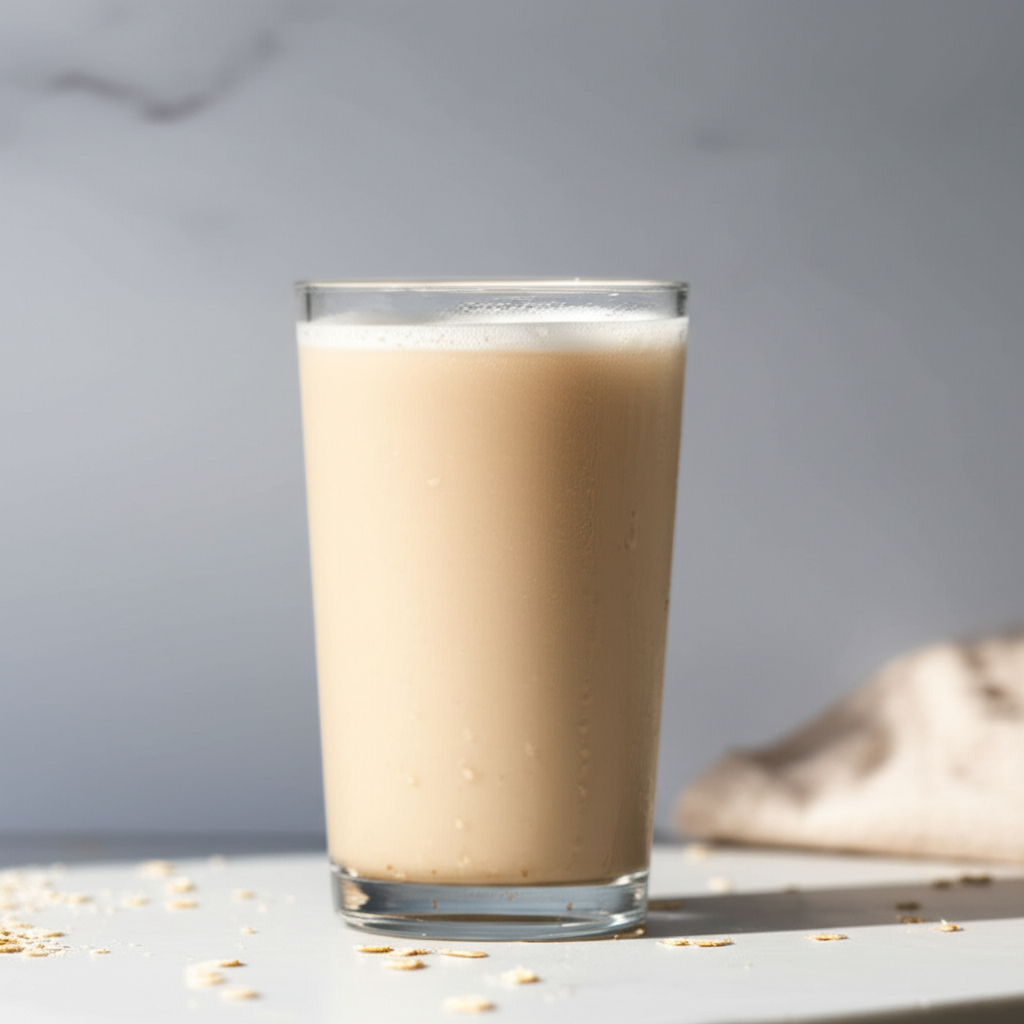
Can you make it even gentler for a sensitive stomach?
Yes. In fact, this is the version I make when my stomach’s doing that “nope” thing.
- First, skip citrus (or use just a few drops).
- Next, skip berries (the seeds + acidity can be irritating for some people).
- Then, use room-temp liquids instead of icy cold.
- Finally, use no lite salt the first time, then add a tiny pinch later if you tolerate it.
Also, oat milk varies a lot by brand. If one bothers you, try another. Some use oils or gums that certain people notice more than others (I’m not anti-gum; I’m just pro “listen to your body”).
My quick checklist before you chug a big glass
- If you’re on a low-sodium diet, keep the lite salt out entirely.
- If you’ve got kidney disease or potassium restrictions, avoid lite salt and ask your clinician.
- If you’re doing long endurance training, you’ll likely need more sodium and carbs than this provides.
- If you’re just thirsty, plain water is still the MVP.
Summary: keep it simple, keep it sippable
If you want hydration without a salt punch, this oat milk electrolyte drink is a solid, customizable option. To start, use the base recipe, then adjust: a tiny pinch of lite salt for potassium support, cocoa or seeds for magnesium, and cinnamon/vanilla/berries for flavor. Most importantly, make it taste good enough that you’ll actually drink it.
[content-egg-block template=offers_list]
You Might Also Like

