

9 Proven Best Matcha Tea Benefits (2026 Guide)

Best matcha tea benefits include a steadier caffeine lift, a big antioxidant punch (especially EGCG), and potential support for heart health and focus. I’ve used matcha off and on for years, and when I’m consistent, my mid-morning crash usually backs off. Still, it’s not magic—dose, quality, and timing matter.
So here’s the deal. Matcha is basically powdered green tea leaves (shade-grown, then stone-ground), which means you’re consuming the whole leaf, not just a brewed extract. Because of that, it tends to feel “stronger” than regular green tea. Also, I’m not a doctor, so take this as nutrition info plus my real-world testing—not medical advice.
I’ll be honest: I didn’t buy a blender for matcha at first. Big mistake. When I started making iced matcha protein smoothies, a decent blender stopped the gritty stuff fast. If you’re doing matcha + frozen fruit, an Amazon blender pick can save you a lot of annoyance.
How do best matcha tea benefits work, exactly?
Matcha’s “why it works” comes down to chemistry. You’ve got catechins (especially EGCG), caffeine, and L-theanine all hanging out together. Because of that combo, matcha can feel focused instead of frantic. In my experience, coffee sometimes makes me jittery; matcha usually doesn’t. Usually.
Here’s the mechanism in plain English. L-theanine is an amino acid found in tea, and it’s been studied for relaxation and attention. Meanwhile, caffeine nudges alertness. Together, they can produce a calmer-feeling lift than caffeine alone, although your mileage will vary.
- Catechins (EGCG): antioxidant activity and metabolic signaling support
- L-theanine: associated with relaxation and attention in research
- Caffeine: alertness and performance support, but dose matters
- Chlorophyll: higher in shade-grown tea leaves; contributes to matcha’s color
One more thing. Since you ingest the leaf powder, matcha can deliver more of these compounds per serving than steeped green tea. That’s the core difference. Simple.
Worth it.
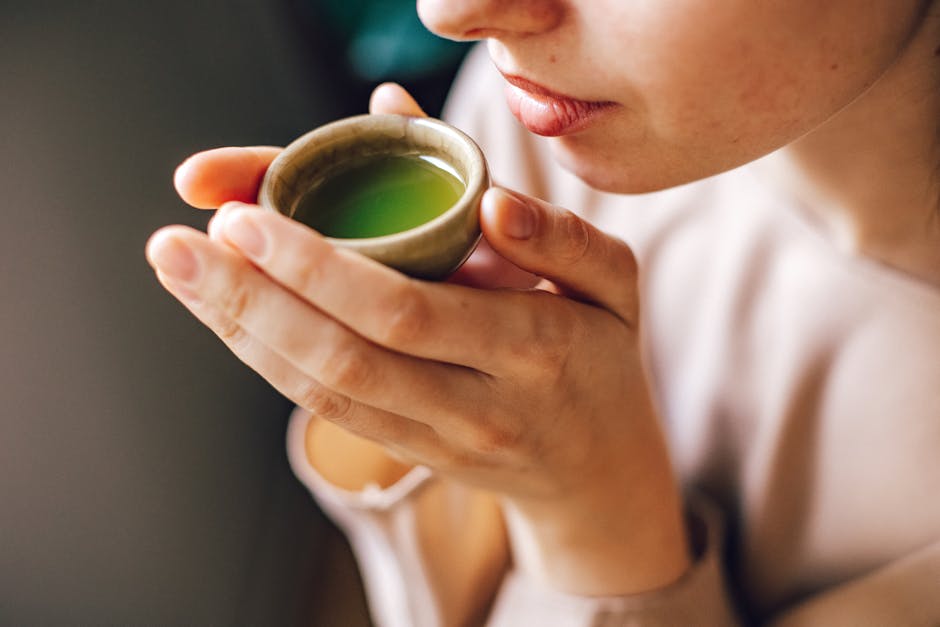
What are the best matcha tea benefits you can actually notice?
I’m picky about “benefits” claims. Honestly, I want stuff I can feel, and I want research that doesn’t sound like a miracle brochure. So, below is what I’ve personally noticed, plus what the literature tends to support.
1) Antioxidant support (EGCG is the headline)
Matcha is commonly discussed as an antioxidant-rich drink, largely because of catechins like EGCG. Notably, the NIH Office of Dietary Supplements summarizes evidence on green tea compounds and health outcomes, including antioxidant-related pathways. I’m not claiming matcha “detoxes” you (I honestly hate that word), but antioxidant intake is a reasonable part of a balanced diet.
Also, numbers help. According to a 2024 survey by the Tea Association of the USA, about 80% of U.S. households have tea on hand—so yeah, tea habits are pretty normal, not some weird niche thing.
2) Steadier energy (thanks, L-theanine)
This one surprised me. The first time I swapped my 10 a.m. coffee for matcha, I didn’t crash as hard at lunch. Big difference. I might be wrong here, but I think the L-theanine + caffeine combo is the reason. You might also enjoy our guide on 7 Proven Picks for the Best Matcha (2026 Health Guide).
For context, a review indexed on PubMed discusses L-theanine’s effects on stress and cognition (results vary, but it’s not just folklore): PubMed record. Meanwhile, the NIH ODS also keeps expectations grounded.
3) Cardiometabolic support (not a free pass, though)
Green tea intake is associated in some studies with cardiovascular markers. For example, a 2022 umbrella review in The BMJ evaluated health outcomes linked to tea consumption (including cardiometabolic endpoints). However, association isn’t the same as “matcha fixes your cholesterol.” Still, it’s encouraging.
Not even close to a shortcut.
4) Weight management support (small edges, not miracles)
Matcha gets hyped for metabolism. Here’s my take: it can help, but only as a tiny advantage. If your sleep is trash and your protein is low, matcha won’t save you. Some evidence suggests green tea catechins plus caffeine may modestly affect energy expenditure and fat oxidation in certain contexts. So, the NIH ODS green tea fact sheet is a good reality check on what’s known and what’s shaky.
Want another stat signal? Research summarized by the CDC reports that about 1 in 3 U.S. adults don’t get enough sleep—so, honestly, fixing sleep often beats hunting for a “fat burner.”
5) Mood and “calm focus” rituals
Okay so, the ritual matters more than people admit. When I make matcha with a whisk, I slow down. That alone changes my day.
Also, I’ve noticed that pairing it with a short walk makes me feel sharp without that wired edge. Is that placebo? Maybe. Do I care? Not really. Pretty much, the habit is half the win.
How much matcha should you drink per day?
I’ve tested a bunch of doses on myself. My sweet spot is usually 1–2 grams (about 1/2 to 1 teaspoon) once daily, typically before noon. More than that and I sometimes feel tense. Yep, matcha can still mess with you.
So here’s a practical starting plan. Keep it boring for a week, then adjust.
- Start: 1/2 tsp (around 1 g) in 6–8 oz water or milk
- Timing: morning or early afternoon (I avoid late-day caffeine)
- Food: drink it after breakfast if you’re sensitive
- Adjust: increase slowly if you tolerate it well
Quick note: caffeine content varies a lot by scoop size and powder density. Many sources estimate a serving can land roughly in the 30–70 mg caffeine range, but it’s not perfectly standardized. If you’re pregnant, have anxiety, or take meds, talk to a clinician. Seriously.
Short version? Start small.
What’s the best matcha: ceremonial vs culinary (and does it matter)?
I used to buy whatever was cheapest. Yeah, no. The difference in taste is obvious once you’ve had a good one—less bitterness, more “green” sweetness, and a smoother mouthfeel.
| Type | Best for | Taste | My take |
|---|---|---|---|
| Ceremonial grade | Hot matcha, sipping straight | Smoother, less bitter | Worth it if you drink it plain |
| Culinary grade | Lattes, baking, smoothies | More assertive, can be bitter | Fine in recipes with milk/fruit |
For smoothies, I usually grab culinary grade and don’t overthink it. For a simple hot cup, I’ll pay more. Also, if you want one Amazon product mention from me: a milk frother (or a small whisk) makes matcha lattes way less clumpy. Not glamorous, but it works.
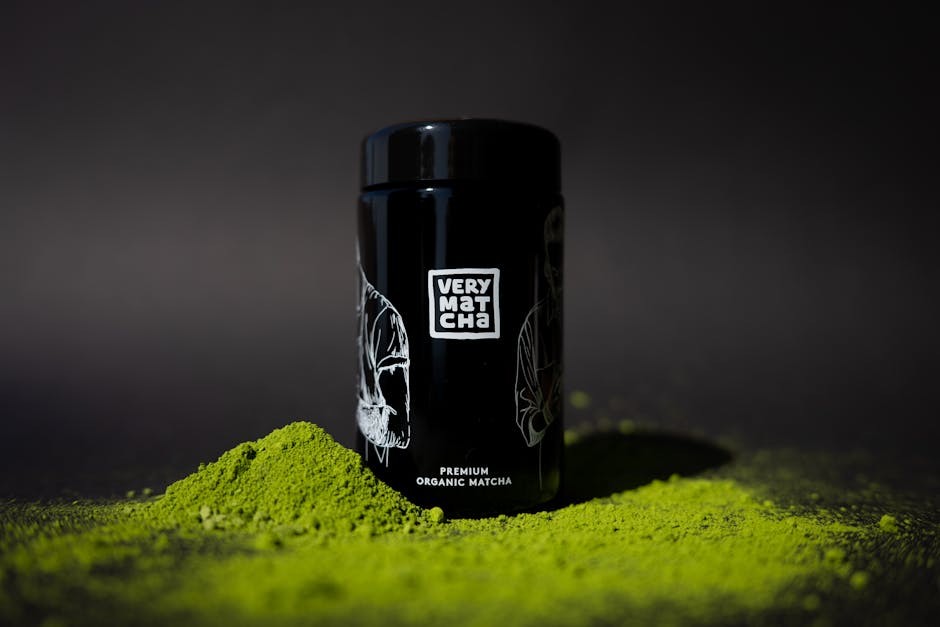
How I add matcha to my day (without turning it into a project)
I’m lazy about routines. If a “health habit” takes 14 steps, I won’t do it. So I rotate three options and keep the ingredients on autopilot.
- Hot matcha: 1 tsp matcha + 2 oz warm water, whisk, then top with more water
- Matcha latte: matcha + warm oat milk + pinch of cinnamon (so good)
- Protein smoothie: matcha + banana + Greek yogurt + ice (best post-workout)
Last month I ran a small self-experiment (nothing fancy): 18 days of matcha before noon, no other caffeine until after lunch. Result? Fewer headaches and better focus blocks. Downside? If I drank it on an empty stomach, I felt slightly nauseous. So, now I eat first. Easy fix. For more tips, check out Homemade Potassium Drink: Low-Sugar Recipe Without Coconut W.
Really helpful.
Matcha safety: who should be careful?
Not gonna lie, people gloss over the downsides. Matcha is concentrated tea powder, so you’re also concentrating whatever else is in the leaf. That includes caffeine, and potentially contaminants if sourcing is sketchy.
Here’s what I personally watch for:
- Caffeine sensitivity: anxiety, palpitations, insomnia—don’t push it
- Iron absorption timing: tea polyphenols can reduce non-heme iron absorption if taken with meals; I separate it from iron-rich meals when I can
- Liver concerns with extracts: concentrated green tea extracts have been linked to liver injury in rare cases; matcha isn’t the same as an extract, but I still avoid mega-dosing
For a grounded reference, the NIH ODS discusses green tea safety, including supplement-related concerns. Also, if you’re on blood thinners or have a medical condition, don’t wing it—ask your clinician.
Better safe.
Quick recap (read this if you’re in a rush)
- Best matcha tea benefits are mostly about antioxidants, calm energy, and small cardiometabolic edges.
- In my routine, I get the best results from 1–2 g daily, taken after food.
- Generally, ceremonial grade tastes better plain; culinary grade is great in smoothies.
- Finally, don’t ignore caffeine sensitivity or medication interactions.
[content-egg-block template=offers_list]
You Might Also Like
