

7 Proven Picks for the Best Matcha (2026 Health Guide)

Best matcha is the one you’ll actually drink daily: bright green, tested for contaminants, and fresh enough to taste a little sweet (not swampy). For health benefits, I stick to ceremonial-grade for straight sipping and a high-quality culinary grade for smoothies. Personally, I also check harvest date, origin, and third‑party testing before I buy.
Matcha is essentially finely ground green tea leaves (tencha) that you consume whole, not steep and toss. That’s the big deal. You’re ingesting more of the leaf’s catechins (like EGCG) and naturally occurring caffeine + L‑theanine than regular brewed green tea. Also, yes, I’ve bought “matcha” that was basically dusty neon disappointment. Never again.
Quick note: that Amazon list is where I also grab add-ins when I’m bored of plain matcha—things like organic greens powders or collagen. Not always necessary. However, they’re handy when my breakfast is basically “coffee and chaos.” Sometimes I just need an extra boost, and those powders can do the trick! It beats reaching for another cup of coffee, that’s for sure.
I’m updating this for 2026 because the matcha market’s gotten weird: more hype, more counterfeit tins, and a lot more “ceremonial” labels that don’t mean much. So here’s my no-fluff system for picking best matcha for actual health benefits, plus a couple of brands/styles I’d personally buy again.
what’s the best matcha for health benefits?
If your goal is health benefits, the best matcha is typically ceremonial grade (for drinking) that’s shade-grown, vibrant green, and ideally third‑party tested for heavy metals. I know “grade” isn’t regulated, but in practice, the better stuff tastes smoother, mixes easier, and I’m more likely to drink it consistently. Consistency matters.
Let’s be honest: if it tastes like dirt, you won’t drink it! So, finding a matcha that you enjoy is half the battle. It’s just like any other healthy habit. I’ve found that if I actually *like* something, I’m way more likely to stick with it. And that’s where the real benefits come from – the long-term consistency.
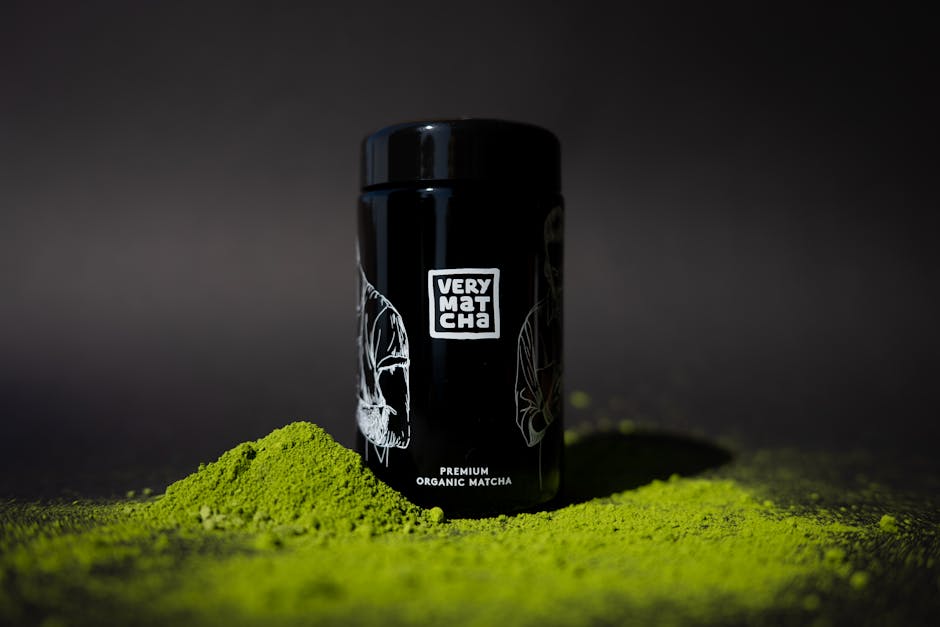
Here’s the part that annoys me: a lot of sellers scream “antioxidants!” but won’t say where it’s grown, when it was milled, or whether it was tested. So I treat matcha like olive oil. Freshness and sourcing first. Fancy labels later. Think of it this way: you wouldn’t buy olive oil that’s been sitting on the shelf for years, right? Same goes for matcha. It’s gotta be fresh to get the good stuff.
- Color: I look for a bright, almost electric green. Dull or yellow-green usually tastes bitter. It should practically glow! That vibrancy is a good sign of chlorophyll content and overall quality.
- Taste: I want grassy-sweet and creamy. Not fishy. Not chalky. A little bit of natural sweetness is what you’re after. If it tastes overwhelmingly bitter, something’s probably off.
- Texture: Fine powder that clumps less (a sifter helps, but still). Nobody wants gritty matcha. It should be super fine and almost melt into the water. A sifter is a great tool if you’re serious about your matcha game.
- Origin: Japan (Uji, Nishio, Kagoshima) is my usual safe bet. These regions are known for their high-quality matcha production. They’ve been doing it for centuries, so they know what they’re doing!
- Testing: Third-party heavy metal and radiation screening when available. This is non-negotiable for me. You want to make sure you’re not ingesting anything harmful. It’s worth the extra effort to find brands that prioritize testing.
I might be wrong here, but if a brand hides behind “proprietary blend,” I’m out. I’ve wasted money on that move before. Never again. Transparency is key! If they’re not willing to tell you what’s in it, I wouldn’t trust it.
How does matcha work in the body (antioxidants, energy, metabolism)?
Matcha “works” mainly because you consume the entire tea leaf, which concentrates bioactive compounds. Most people notice three things: steadier energy, a calmer focus, and (sometimes) less snacking. Specifically, caffeine pairs with L‑theanine, which can reduce the jittery spike I personally get from coffee.
That’s the magic combo, in my opinion. The caffeine gives you a boost, but the L-theanine keeps you from feeling like you’re bouncing off the walls. It’s a much smoother, more sustained energy than coffee provides. I can actually focus and get things done without the jitters!
Also, the antioxidant story is real, but it’s not magic. Green tea catechins—especially EGCG—are heavily studied for their role in oxidative stress pathways. For a deep, science-first overview, I often point friends to the NIH’s green tea monograph at Office of Dietary Supplements.
It’s not going to magically erase years of unhealthy habits, but it’s a helpful addition to a healthy lifestyle. Think of it as one piece of the puzzle, not the whole solution.
Want numbers? Okay.
- According to a 2020 meta-analysis in PubMed, green tea catechins plus caffeine showed a small but measurable effect on weight management in some populations (not massive, but not nothing). It’s not a miracle weight-loss cure, but it can be a helpful tool in your arsenal. Every little bit helps, right?
- According to the CDC, obesity prevalence in U.S. adults remains high, which is why people keep hunting for habits (like swapping sugary drinks) that actually stick. Finding sustainable habits is vital. It’s not about quick fixes, it’s about making changes that you can maintain over the long haul.
- According to a 2023 review indexed on PubMed, L‑theanine is repeatedly associated with relaxation and attention outcomes, especially when paired with caffeine (effects vary, but the combo is promising). It’s like a natural chill pill that also helps you focus. Who wouldn’t want that?
My personal experience: I tested matcha as my “weekday caffeine” for 11 weeks last spring. Coffee made me hungry at 10:30 a.m. Matcha didn’t. That surprised me. However, if I drink it too late, I still can’t sleep. I’m not special. The hunger thing was a real breakthrough for me. I wasn’t reaching for snacks mid-morning, which definitely helped with my overall calorie intake. But yeah, the caffeine is still caffeine, so I cut myself off in the early afternoon.
My real-world matcha grades breakdown (and what I buy)
Grades can be messy because they’re marketing terms. Still, in my kitchen, the differences are obvious. So here’s how I use them, after three months of rotating through tins and getting way too picky.
I’ve really gotten into the weeds with this grading system, and trust me, there’s a noticeable difference. It’s not just marketing hype; the quality truly does vary.
- Ceremonial grade: I drink it with water. That’s the point. It should be smooth enough that I don’t need sweetener. It’s like a fine wine – you want to savor the flavor and appreciate the nuances.
- Premium culinary: I use this for lattes and smoothies. It’s stronger, slightly more bitter, and stands up to milk. It’s got a bolder flavor that can hold its own against other ingredients. Think of it as the workhorse of your matcha collection.
- Basic culinary: Baking only. Cookies, pancakes, energy balls. If I sip it straight, I regret it. Trust me on this one. It’s not meant for sipping! It’s got a much more solid, bitter flavor that’s best suited for masking in baked goods.
One thing I’ve learned the hard way: if you’re chasing health benefits, don’t bury your matcha in 40 grams of sugar and call it “wellness.” Yeah, I’ve done it. Yeah, it was delicious. Still. You might also enjoy our guide on 9 Proven Best Matcha Tea Benefits (2026 Guide).
It defeats the whole purpose! It’s like ordering a salad and then drenching it in ranch dressing. You’re negating the health benefits with all that added sugar. A little bit of sweetener is fine, but try to keep it minimal.
Also, if you want an easy Amazon buy, I’ve had decent luck with Jade Leaf Matcha for everyday lattes. Is it the fanciest? Nope. Does it work when I’m rushing? Totally. It’s a reliable, affordable option that gets the job done. It’s not going to win any awards, but it’s a solid choice for a quick and easy latte.
How I pick the best matcha (my checklist after too many duds)
So here’s the deal. I don’t care about “ceremonial” printed in gold ink. I care about signals that correlate with freshness, flavor, and fewer contaminants. Therefore, I use a quick checklist and I don’t overthink it. I’ve been burned too many times by fancy packaging and empty promises. Now, I focus on the things that actually matter.
- Harvest + milling info: If a brand mentions first harvest/spring harvest and stone-milling, I pay attention. First harvest matcha is generally considered to be the highest quality. Stone-milling is a traditional method that helps preserve the flavor and nutrients.
- Packaging: Opaque, sealed tin or pouch. Clear bags are a red flag for oxidation. Light and air are the enemies of fresh matcha. Opaque packaging helps protect it from degradation.
- Price realism: If it’s $9 for 100g “ceremonial,” I’m skeptical. Good tencha isn’t cheap. You get what you pay for! High-quality matcha requires time, effort, and expertise to produce. If the price seems too good to be true, it probably is.
- Lab testing: Particularly for lead and other heavy metals. Green tea can accumulate contaminants depending on soil. This is a must-have for me. I want to know that the matcha I’m drinking is safe and free from harmful substances.
- Smell test: Fresh matcha smells green and sweet. Old matcha smells flat, like stale hay. Your nose knows! The smell is a great indicator of freshness. If it smells off, it probably is.
And yes, I store mine in the fridge. Some people argue about condensation, and they’re not wrong. I keep it sealed, let it come to room temp before opening, and it’s been fine. Take that with a grain of salt. I’ve never had any issues with condensation, but I’m careful to let it warm up before opening. It’s just a precaution to prevent moisture from getting in. You could also keep a small desiccant packet in with the matcha to absorb any moisture.
If weight loss is your main goal, I’m not gonna pretend matcha alone fixes everything. It can help as a swap for sugary drinks, sure. But structure matters more. That’s why I don’t hate programs like the smoothie plan above—although, disclaimer: I haven’t personally run that exact 21‑day plan start to finish, so don’t treat this as a medical recommendation. It’s all about creating a sustainable plan that you can stick with. Matcha can be a helpful tool, but it’s not a magic bullet.
Best matcha vs green tea: what I notice (and what matters)
Compared to green tea, matcha is more intense because you drink the leaf. That means stronger flavor, more caffeine per serving (usually), and potentially more catechins. However, it also means quality matters more. Bad matcha is really bad. It’s like the difference between a fine wine and vinegar. The good stuff is amazing, but the bad stuff is just awful.
| Feature | Matcha | Green tea (steeped) |
|---|---|---|
| How you consume it | Whole leaf powder | Infusion only |
| Taste | Creamy, grassy, can be sweet | Lighter, sometimes astringent |
| Convenience | Fast (whisk or frother) | Needs steep time |
| Quality sensitivity | High (freshness is huge) | Moderate |
My bias: I still drink both. Matcha in the morning, green tea after lunch. That rhythm keeps my caffeine reasonable. Usually. It’s a nice way to spread out my caffeine intake throughout the day. Plus, I just enjoy the taste of both! They each have their own unique qualities.
How I make matcha daily (without turning it into a sugar bomb)
Okay so, my default is boring. And that’s why it works. I use 1.7–2.2 grams of matcha (yes, I weighed it because I’m like that) with 60–75 ml of water at about 75–80°C. Then I top it with more water. Smooth. Done. I’m a creature of habit, and I like to keep things simple. I’ve found that this method consistently produces a delicious cup of matcha. And yes, I weigh it because I’m a bit of a perfectionist!
Getting the water temperature right is key. Too hot and it’ll burn the matcha, making it taste bitter. Too cold and it won’t dissolve properly. 75-80°C is the sweet spot.
Here are my go-to options, depending on mood:
- Simple usucha: matcha + hot water + whisk. The classic! It’s the purest way to enjoy the flavor of matcha.
- Iced matcha: cold water + matcha + frother + lots of ice. Perfect for a hot day! It’s refreshing and energizing.
- Protein matcha latte: culinary matcha + milk + unflavored whey (or soy) + cinnamon. A great way to get a protein boost with your matcha. I love adding cinnamon for extra flavor and antioxidants.
- Gut-friendly smoothie: matcha + frozen banana + kefir + spinach (yes, it’s very green). Don’t knock it ’til you try it! It’s surprisingly delicious and packed with nutrients. The banana adds sweetness, and the kefir provides probiotics for gut health.
I’ve been using a cheap milk frother for 3 months, and honestly, it beats a bamboo whisk on busy mornings. Traditionalists will hate that. I don’t care. It’s practical. For more tips, check out Magnesium Glycinate Drink: Best Timing, Dosage, Recipes. I’m all about convenience! The frother is so much faster and easier to clean than a whisk. Plus, it creates a nice, frothy texture.
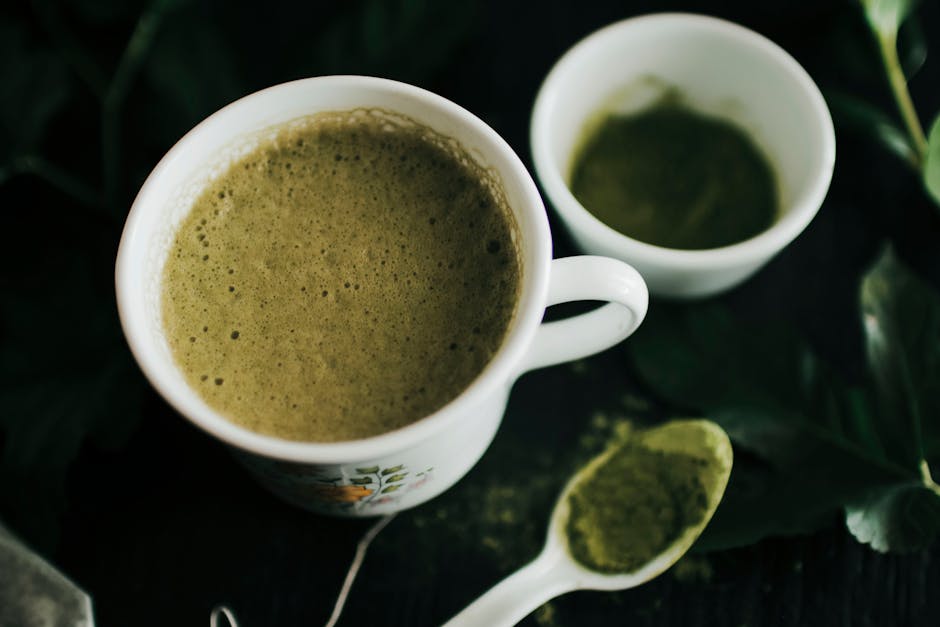
Safety notes I wish more matcha blogs mentioned
Not fun, but necessary. Matcha is still caffeine. Also, tea plants can accumulate heavy metals depending on growing conditions. Therefore, I keep my intake moderate and buy from brands that publish testing or will send it if asked.
It’s important to be aware of the potential risks and take precautions. Don’t overdo it with the caffeine, and always choose reputable brands that prioritize testing.
My personal ceiling is 1–2 servings a day. More than that and I get that weird buzzy feeling. If you’re pregnant, breastfeeding, have iron deficiency, or take stimulant meds, talk to a clinician. I’m a blogger, not your doctor. Seriously. Everyone’s different, so it’s important to listen to your body and adjust your intake accordingly. And definitely consult with a healthcare professional if you have any concerns.
Also, green tea extracts in high-dose supplement form have been linked to rare liver issues. That’s a different thing than normal matcha drinks, but it’s worth reading the safety context from the NIH ODS consumer sheet. It’s a good reminder that more isn’t always better. Stick to moderate consumption of matcha in its natural form.
Just because something is “natural” doesn’t mean it’s harmless. It’s important to be informed and make responsible choices.
My “best matcha” picks (what I’d buy again)
I’m not going to pretend there’s one universal winner. The best matcha depends on whether you’re sipping it straight or hiding it in a smoothie. Still, these categories are what I recommend to friends who don’t want to waste money. It really comes down to personal preference and how you plan to use it. There’s no one-size-fits-all answer.
I’ve spent years experimenting with different brands and grades, so I feel confident in these recommendations. They’re based on my own experiences and the feedback I’ve received from friends and family.
- For straight sipping: ceremonial-grade from Japan with clear origin and freshness info. You want the best of the best for this! It’s all about the flavor and experience.
- For lattes: premium culinary that won’t disappear under milk. It needs to have a strong enough flavor to stand up to the milk and any other additions.
- For smoothies: culinary grade with strong flavor (and ideally tested). You don’t want it to get lost in the mix! A sturdy flavor is key.
If you want brand-name starting points, I’ve personally used Jade Leaf for lattes, and I’ve had friends swear by Ippodo for sipping (pricey, but legit). I rotate depending on budget. That’s real life. Ippodo is definitely a splurge, but it’s worth it if you’re a serious matcha connoisseur. Jade Leaf is a more affordable option that’s still pretty good. I switch between the two depending on my budget and what I’m using it for.
It’s all about finding what works best for you and your lifestyle. Don’t be afraid to experiment and try different brands and grades until you find your perfect match(a)!
More health drinks I’ve tested is where I keep my running list (I update it when something impresses me or disappoints me).
I’m always on the lookout for new and exciting health drinks. If you have any recommendations, let me know!
Key takeaways (so you can act on this today):
- Pick vibrant green matcha with clear origin and freshness details. Don’t settle for anything less! Freshness and quality are key.
- Use ceremonial for sipping; use culinary for milk and smoothies. It’s all about using the right grade for the right purpose.
- Keep it simple: matcha + water first, then add extras if you want. Don’t overcomplicate things! Start with the basics and then experiment from there.
- Don’t ignore caffeine tolerance and testing transparency. Your health and safety are paramount.
So, go forth and enjoy the wonderful world of matcha! With a little bit of knowledge and experimentation, you can find the perfect matcha for your needs and preferences. And remember, consistency is key! The more you incorporate matcha into your daily routine, the more you’ll experience its potential health benefits.
[content-egg-block template=offers_list]
You Might Also Like

