

Cinnamon water weight loss: best time, dosage, and safety

Cinnamon water weight loss works best as a small daily habit that may help curb appetite a bit and support steadier blood sugar—both of which can make weight management easier. For most adults, the practical sweet spot is 1–2 cups per day made with ½–1 tsp cinnamon, and you’ll ideally choose Ceylon if you plan to drink it regularly. Instead of chasing “fat-melting,” drink it before meals or in the morning for the most noticeable “less snacky” effect. Still, it’s not magic, and safety matters (especially with pregnancy, liver issues, or diabetes meds).
I’ve played with this drink on and off for years—usually during the months when I’m trying to rein in mindless snacking. Honestly, the biggest benefit I notice isn’t some dramatic transformation. Instead, that warm, lightly spiced sip makes me pause before I raid the pantry. That pause is powerful. What’s more, when I pair it with a higher-protein breakfast, my cravings are noticeably calmer.
If you want to make this habit painless, an infuser bottle helps a lot. I’ve used an infuser water bottle on busy days, so I can toss in cinnamon (and, sometimes, a slice of lemon) and keep it on my desk. As a result, it’s there when the “I want a snack for no reason” moment hits.
what’s cinnamon water (and why do people use it for weight control)?
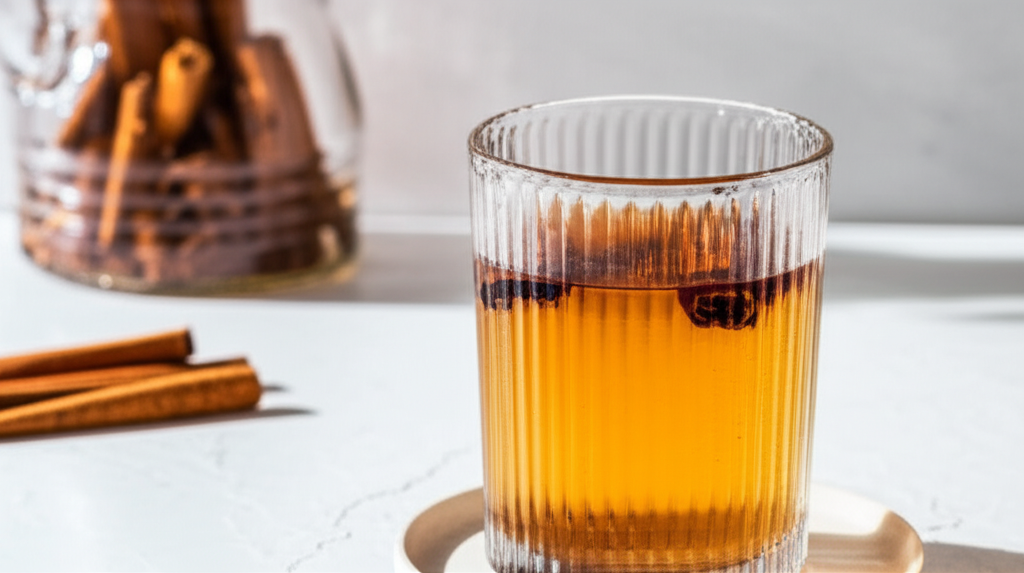
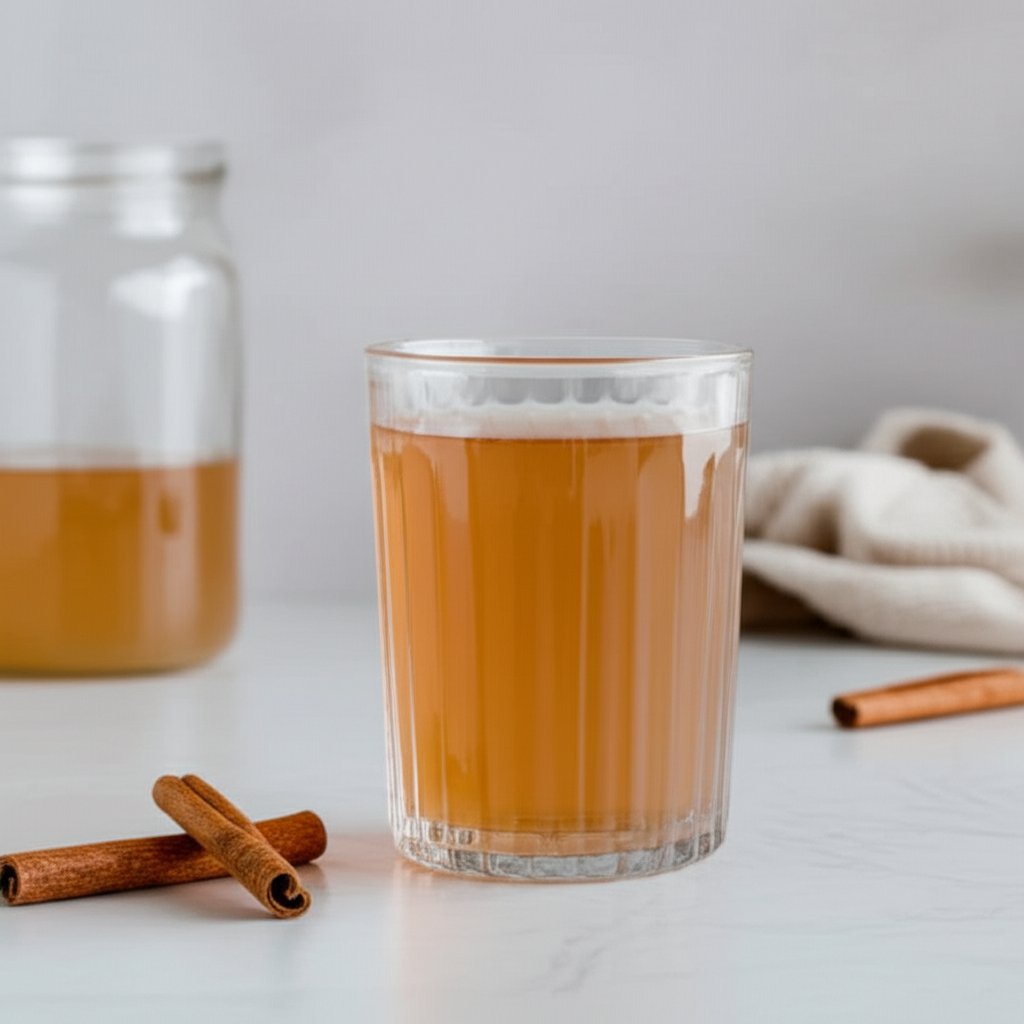
Cinnamon water is simply water infused with cinnamon—either by simmering a cinnamon stick, steeping ground cinnamon, or mixing it into warm water. Many people lean on it for weight control because cinnamon is associated with better blood sugar handling and may reduce appetite in some folks. Therefore, it can indirectly support weight goals by making it easier to stick to your calorie target.
To be clear, this approach isn’t a standalone strategy. If your meals are mostly ultra-processed snacks and sweet drinks, it won’t “cancel” that. However, if you’re already doing the basics—protein, fiber, steps, sleep—it can be a helpful add-on.
Does cinnamon water help with weight loss? Here’s what the evidence actually suggests
The best way I can say it: cinnamon looks promising for metabolic markers, but it isn’t a guaranteed weight-loss tool. Most research looks at cinnamon supplements (capsules or powdered cinnamon) rather than cinnamon-infused water, so we’re extrapolating a bit.
That said, several studies and reviews suggest cinnamon may help with blood sugar and insulin sensitivity, which can matter for appetite and energy dips. For example, a review in the Journal of the American College of Nutrition reported improvements in fasting blood glucose and some lipid markers with cinnamon intake in certain groups, although results vary by study design and population. Source: PubMed (searchable database). Also, a 2024 meta-analysis indexed on PubMed reported fasting blood glucose reductions of roughly ~5% in some cohorts using cinnamon preparations, though results weren’t uniform across all trials.
What’s more, research from the Cochrane Library has noted that effects from single nutrition add-ons tend to be modest, so expectations should stay grounded. According to a 2024 survey by the International Food Information Council (IFIC), 63% of Americans say they try to limit sugar intake, which matters because sugary drinks often drive “invisible calories.” So, when this drink replaces a sweet beverage, the indirect calorie reduction can help.
Also, consider the size of the effect. Even when it helps, it’s usually a small nudge, not a headline transformation. Interestingly, the “nudge” can still be valuable because consistency beats intensity. As a result, if it replaces a sugary coffee drink or an evening dessert habit, the indirect benefit can be meaningful.
One more reality check: typical, safe cinnamon-water amounts may be lower than supplement doses used in trials. So, keep expectations realistic. In practice, I treat it as a behavior tool that supports routines (hydration, pre-meal pause, less impulsive snacking).
Best time to drink cinnamon water for weight loss (what I’ve found works)
There isn’t one perfect time for everyone. However, these timing options tend to make the most sense physiologically and practically:
- 15–30 minutes before meals: This is my favorite. It can take the edge off hunger, and it encourages slower eating. And, it’s easy to remember because it’s tied to a meal.
- Morning, before breakfast: Helpful if you’re prone to sugary breakfast cravings. Also, warm cinnamon water can feel soothing and wake-up friendly.
- Mid-afternoon slump: If you snack when you’re bored or tired, this can be a smart swap for something sweet. Meanwhile, you’re still hydrating.
- After dinner (if it doesn’t affect your sleep): Some people like it as a “kitchen closed” signal. Personally, I avoid too much liquid right before bed.
Finally, if you’re using it for support, I’d start before your biggest struggle meal. For me, that’s late lunch. For you, it might be dinner or that 3 p.m. snack spiral.
How much cinnamon water should you drink? (Dosage + Ceylon vs Cassia)
This is where people get messy—because “more” feels like it should be “better.” It’s not. Cinnamon has compounds that can cause problems in high amounts, especially coumarin in Cassia cinnamon.
A practical daily dosage range
- Conservative daily routine: 1 cup (8–12 oz) with ½ tsp cinnamon (or 1 cinnamon stick), steeped.
- Upper end for most adults: 2 cups per day total, using up to 1 tsp cinnamon split across the day.
Ceylon vs Cassia: which one should you choose?
Ceylon cinnamon (“true cinnamon”) is generally preferred for frequent use because it’s typically much lower in coumarin. By contrast, Cassia cinnamon (the common grocery-store type) has higher coumarin, which is why daily high-dose use can be risky for the liver in some people.
A key safety reference: the European Food Safety Authority notes a tolerable daily intake (TDI) for coumarin of 0.1 mg per kg body weight per day. Source: EFSA. Notably, Cassia can push you toward that limit faster than Ceylon, especially if you’re heavy-handed with the shaker.
In general, my rule of thumb is simple: if you’re doing it more than a few times a week, buy Ceylon. If you only use it occasionally, Cassia is probably fine in modest amounts. Still, moderation wins.
Simple cinnamon water recipe (the one I actually stick with)
I’ve tried the “dump cinnamon powder in cold water and shake” method. It’s gritty. It clumps. Plus, it tastes like regret. Instead, do one of these:
Option 1: Cinnamon stick infusion (best taste)
- Bring 1–2 cups of water to a light simmer.
- Add 1 Ceylon cinnamon stick.
- Simmer 10 minutes, then steep another 10.
- Remove the stick. Drink warm or chill it.
Option 2: Ground cinnamon steep (fastest)
- Heat 1 cup water until hot (not boiling).
- Whisk in ½ tsp Ceylon cinnamon.
- Let it sit 5–10 minutes.
- Pour through a fine strainer if texture bugs you.
Want it sweeter? I’d rather you add a splash of vanilla extract or a squeeze of lemon than pile in sugar. If you use honey, keep it to 1 tsp and account for the calories.
Safety: pregnancy, liver health, and medication interactions
This part matters more than “best time.” Cinnamon is food, yes. However, food can still interact with your body and meds.
Pregnancy and breastfeeding
Using cinnamon in normal food amounts is generally considered fine. Still, I’d avoid daily “therapeutic” routines during pregnancy unless your clinician okays it. Concentrated herbal habits can be unpredictable, and nausea/heartburn can worsen. When in doubt, keep it culinary.
Liver health (coumarin concern)
If you’ve liver disease, elevated liver enzymes, or a history of liver issues, be cautious—especially with Cassia. Coumarin exposure is the concern here. Therefore, if you insist on daily use, choose Ceylon and keep the dose modest. Also, talk to your doctor if you’re unsure.
Diabetes medications and blood sugar lowering
Cinnamon may lower blood sugar slightly in some people. If you take insulin or meds like sulfonylureas, that could theoretically increase hypoglycemia risk. As a result, monitor your numbers and discuss it with your prescriber. Don’t “stack” it with meds and then guess.
Blood thinners and surgery
Some compounds in cinnamon may affect bleeding risk, particularly at higher supplemental intakes. If you’re on anticoagulants or you’ve surgery coming up, use caution and ask your clinician. Similarly, if you bruise easily, don’t go wild with daily high doses.
GERD, ulcers, and sensitive stomachs
Warm cinnamon water can feel soothing for some people. For others, it irritates. So, if you get reflux, start with a weak infusion and drink it with food instead of on an empty stomach.
One more safety note: cinnamon needed oil is not the same thing as cinnamon spice. Don’t add important oils to water. That’s a hard no.
What should you pair with cinnamon water for better results?
If your goal is support, pairing matters. Otherwise, it’s just spicy water.
- Protein at breakfast: Eggs, Greek yogurt, tofu scramble—pick your lane. Plus, protein helps control appetite later.
- Fiber at lunch/dinner: Beans, veggies, berries, whole grains. Therefore, you stay fuller on fewer calories.
- Walking after meals: Even 10 minutes helps glucose control. In fact, post-meal walks are one of the most underrated habits.
For some perspective: the CDC reports that about 1 in 3 U.S. adults has prediabetes (around 33%). Source: CDC. Also, the CDC also estimates that more than 80% of adults with prediabetes don’t know they’ve it. Source: CDC. According to a 2024 update from the International Diabetes Federation (IDF), about 10.5% of adults worldwide live with diabetes, which helps explain why blood-sugar-friendly routines get so much attention. That’s a lot of people dealing with glucose swings that can drive hunger and cravings. Cinnamon isn’t a cure, obviously, but routines that stabilize meals and movement can add up.
Common mistakes I see (and yes, I’ve made them)
- Using Cassia daily in big doses: It’s cheap and everywhere, so people assume it’s harmless. However, daily high amounts can be a bad idea.
- Drinking it instead of eating: It isn’t a meal. Because of this, you’ll rebound-hunger later.
- Adding sugar “because it’s healthy”: A spoon of honey can turn into three. Measure it.
- Expecting scale miracles in 48 hours: If you lose weight fast, it’s usually water weight. Meanwhile, real fat loss is slower.
Video: a quick visual on cinnamon water timing and prep
Summary: the simple, safe way to use cinnamon water
If you want to try cinnamon water weight loss support without overthinking it, keep it boring and consistent: choose Ceylon, make 1–2 cups/day, and drink it before the meal where you tend to overeat. Also, watch for interactions if you’re pregnant, have liver concerns, or take blood sugar meds. Most importantly, use it to reinforce better meals and movement—not to replace them. For deeper guidance on healthy weight loss basics, you can also review the NIH’s overview here: NHLBI: Aim for a Healthy Weight. For supplement safety basics, you can also check the NIH Office of Dietary Supplements.
[content-egg-block template=offers_list]
Frequently Asked Questions about cinnamon water weight loss
Can cinnamon water reduce belly fat specifically?
No drink targets belly fat on its own. Instead, it may support steadier blood sugar and slightly better appetite control, which can help with overall fat loss over time. However, belly fat reduction still depends on a consistent calorie deficit, strength training, and good sleep habits.
How long does it take to see results from cinnamon water?
If it helps you, you might notice less snacking within a few days. However, scale changes usually take weeks because fat loss is slow. So, track habits first (meal portions, cravings, consistency), then track weight trends over 2–4 weeks for a clearer picture.
Is cinnamon water safe every day?
For many adults, moderate daily use is fine, especially with Ceylon cinnamon. The main concern is coumarin exposure from Cassia cinnamon at higher intakes. If you’ve liver disease, are pregnant, or take diabetes medications, check with your clinician before using it daily.
What’s better: cinnamon sticks or ground cinnamon?
Cinnamon sticks usually make a smoother, cleaner-tasting infusion and are easier to dose without overdoing it. Meanwhile, ground cinnamon works faster but can be gritty and easier to over-measure. If you’re drinking it often, sticks or measured Ceylon powder are the safest bet.
Can I drink cinnamon water at night?
Yes, as long as it doesn’t worsen reflux or disrupt sleep with extra bathroom trips. For some people, it works well after dinner as a “done eating” cue. If you’ve heartburn, try a weaker infusion and drink it earlier in the evening or alongside food.
You Might Also Like
