

Barley Water Kidney Stones: Dosage, Timing, and Safety (Realistic Guide)

Barley water kidney stones is mostly about hydration: it’s a mild, easy-to-sip drink that can help you hit your fluid goals and keep urine moving. For some people, that alone can be a big deal, because low urine volume is a well-known kidney stone risk factor. Still, it isn’t a magic stone “dissolver.” Instead, think of it as a practical hydration tool you can actually stick with—especially if plain water bores you to tears.
I first started making it after a friend’s urologist basically told him, “I don’t care what you drink—just drink enough.” Since he hated plain water, he could handle lightly flavored drinks. As a result, this became his go-to, and honestly, it’s one of the few “kidney-friendly” habits I’ve seen people keep up for months.
If you want a simple setup, an infuser bottle helps a lot—especially if you like adding lemon peel or a few cucumber slices to keep the taste interesting. Over time, I’ve used a basic infuser bottle for years, and it makes “drink more” feel less like homework.
Now, let’s get specific: what it’s, what it can (and can’t) do for stones, how to make it, and the safest way to use it if you’re prone to kidney stones.
what’s barley water (and why do people use it for stones)?
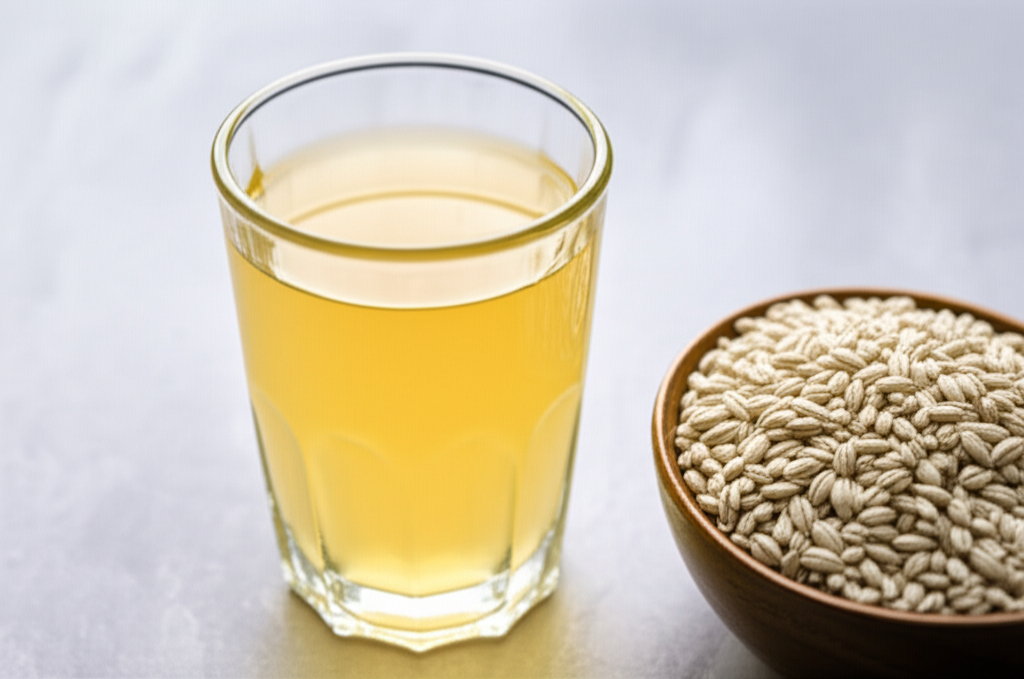
Barley water is simply water that’s been simmered with barley grains (usually pearled barley). After simmering, the liquid ends up slightly cloudy with a mild, almost nutty taste. Often, people strain it and drink it plain; others add lemon, a little honey, or ginger.
So why the kidney stone connection? Primarily, it can make it easier to drink more fluid. What’s more, barley contains small amounts of compounds that may have soothing, “demulcent” qualities (that slippery feel). However, the main win is still urine volume—more fluid in, more urine out, and fewer opportunities for crystals to concentrate.
Think of it this way: imagine you’re making a strong cup of coffee. If you add just a little water, it’s going to be intensely concentrated. But if you add a lot of water, it’s much weaker. That’s essentially what you’re doing with your urine when you drink enough fluids – diluting the stuff that can clump together and form stones.

Does it help kidney stones, according to evidence?
Here’s the straight answer: the best evidence supports higher fluid intake to reduce kidney stone recurrence, and this drink can be one way to get there.
For example, the National Kidney Foundation emphasizes hydration for kidney stone prevention, because it helps dilute stone-forming minerals in urine. In other words, the “active ingredient” is usually just fluid volume. Source: National Kidney Foundation – Kidney Stones.
On top of that, major clinical guidance often aims for urine output around 2 to 2.5 liters per day for people with recurrent stones (your clinician may personalize this). As a rule of thumb, that typically requires more than 2 liters of total fluid intake daily, depending on sweat, climate, and activity. Source: American Urological Association guideline.
It’s not just about *what* you drink, but *how much*. Think about it: if you only sip a few ounces throughout the day, you’re not giving your kidneys enough fluid to work with. But if you’re consistently drinking enough, you’re essentially giving them a constant “rinse,” which helps prevent those pesky minerals from sticking together.
What about barley itself? You’ll see traditional claims that it “flushes” stones. In reality, there isn’t strong clinical evidence that it directly breaks down stones. Still, if it gets you to drink enough throughout the day, it supports the most boring (and most effective) stone strategy: dilution.
I know “dilution” sounds incredibly underwhelming, but trust me, it’s the cornerstone of kidney stone prevention. It’s not a flashy, miracle cure, but it’s a reliable, evidence-backed strategy that can make a real difference over time. It’s like brushing your teeth – it might not be exciting, but it prevents major problems down the road.
More broadly, population data shows how common this problem is. According to a 2023 report from the CDC, about 9% of U.S. adults report having had kidney stones (based on survey data). Meanwhile, research summarized by the NIDDK notes that the lifetime risk is roughly 10% for men and 7% for women in the U.S. (estimates vary by dataset).
That’s a significant chunk of the population! It really underscores why focusing on prevention, like staying adequately hydrated, is so important. It’s not just a theoretical concern; it’s a real issue that affects a lot of people.
Also, according to a 2024 report from the National Institute of Diabetes and Digestive and Kidney Diseases (NIDDK), kidney stones recur in about 50% of people within 5–10 years after a first stone if prevention steps aren’t followed. Because recurrence is so common, consistent hydration habits matter.
Think about that: half of people who get a kidney stone will get another one within a decade if they don’t take steps to prevent it! That’s a pretty sobering statistic, and it really highlights the importance of making long-term lifestyle changes, including staying hydrated, to reduce your risk.
Dosage range that’s realistic
Because this is basically a food-based drink, dosage isn’t a strict medical number. Still, you’ll want a range that supports hydration without making your day revolve around the bathroom.
- Starter dose: 1–2 cups (250–500 ml) per day, especially if you’re new to it.
- Common routine: 2–4 cups (500 ml–1 liter) per day.
- Upper “practical” range: up to ~1.5 liters per day if your clinician hasn’t restricted fluids and your stomach feels fine.
Listen to your body! Some days you might be more active or in a hotter environment, and you’ll naturally need more fluids. Other days, you might not need as much. It’s about finding what works for you and adjusting as needed.
Personally, I like the “two-bottle method”: one bottle in the morning, one in the afternoon. Plus, it’s simple. As a bonus, it prevents the classic mistake of chugging a huge amount at night and then waking up three times.
I’ve found that having a visual cue, like a dedicated water bottle, really helps me stay on track. It’s a constant reminder to keep sipping throughout the day, and it’s much easier than trying to remember to drink at specific times.
Important: If you’ve heart failure, advanced kidney disease, or you’re on a fluid restriction, don’t use these ranges. Instead, ask your clinician what your total daily fluid goal should be.
Seriously, this is non-negotiable. If you have any underlying health conditions, you absolutely need to talk to your doctor before drastically increasing your fluid intake. It could potentially worsen your condition, and it’s always better to be safe than sorry.
Best timing: when should you drink it?
Timing matters more than most people think. Specifically, you want steady hydration, not a once-a-day flood.
- Morning: 1 cup after breakfast (gentle start, easier on the stomach).
- Midday: 1–2 cups between lunch and late afternoon.
- Evening: If you’re prone to nighttime bathroom trips, stop 2–3 hours before bed.
I used to chug a liter of water right before bed, thinking I was doing myself a favor. But all it did was disrupt my sleep! Spreading your fluid intake throughout the day is much more effective and less disruptive.
On top of that, if you exercise or live somewhere hot, shift more of it to earlier in the day and pair it with regular water. Ultimately, the goal is pale-yellow urine most of the time—not crystal clear 24/7, and definitely not dark apple juice.
Your urine color is a surprisingly accurate indicator of your hydration status. Pale yellow is the sweet spot – it means you’re well-hydrated without overdoing it. Crystal clear urine can actually mean you’re drinking *too* much, which can throw off your electrolyte balance. And dark urine is a clear sign that you need to drink more!
How to make it (my no-fuss method)
I’ve tried a few versions. Honestly, some taste like you boiled cardboard. Thankfully, this one doesn’t.
I’m not a fancy chef, so I like recipes that are simple and straightforward. This one is definitely in that category. You don’t need any special equipment or ingredients, and it’s pretty hard to mess up.
Basic barley water recipe
- 1/4 cup pearled barley
- 6–8 cups water
- Optional: lemon peel or a squeeze of lemon, a few slices of ginger, pinch of salt
Don’t be afraid to experiment with different flavor combinations! I’ve tried adding different herbs and spices, like mint, rosemary, and even a pinch of cinnamon. It’s a great way to keep things interesting and find your favorite variation.
- Rinse the barley well (this reduces the “starchy” taste).
- Next, add barley + water to a pot and bring to a gentle boil.
- Then, lower heat and simmer 20–30 minutes.
- After that, strain and let it cool.
- Finally, add lemon/ginger if you want, then refrigerate.
The rinsing step is critical! It really makes a difference in the final taste. Trust me, you don’t want to skip it.
Storage: Keep it in the fridge and use within 2–3 days. If it thickens a bit, just dilute with cold water. Also, don’t add honey until it’s in your glass (not the whole batch), because it’s easy to overdo sweetness.
I’ve made the mistake of adding honey to the whole batch before, and it ended up being way too sweet! Now I always add it to my individual glass, so I can control the sweetness level.
What kind of stones might benefit the most?
Hydration helps with most stone types because it dilutes urine. That said, your exact stone type matters a lot.
Knowing your stone type is like having a cheat sheet for kidney stone prevention. It allows you to tailor your diet and lifestyle to specifically address the factors that contribute to your stone formation.
- Calcium oxalate stones (most common): More fluid often helps reduce recurrence risk. Plus, dietary tweaks (like adequate calcium from food) matter.
- Uric acid stones: Fluids help; urine pH management is often a big part too.
- Cystine stones: Very high fluid goals are often used—this needs clinician guidance.
For calcium oxalate stones, it’s a common misconception that you need to avoid calcium. Actually, getting *enough* calcium from food can help prevent these stones by binding to oxalate in your gut. It’s all about balance!
If you don’t know your stone type, that’s the first fix. So ask your doctor for stone analysis or a 24-hour urine test. Otherwise, guessing gets frustrating, and it can send you down the wrong nutrition path.
Seriously, don’t guess! I’ve seen people try all sorts of restrictive diets based on assumptions about their stone type, and it can actually make things worse. Get the facts from your doctor, and then develop a plan that’s tailored to your specific needs.
Safety: who should avoid it (or be extra cautious)?
This is where I get a little opinionated: “natural” doesn’t automatically mean “safe for everyone.” Barley is food, yes. However, some situations call for caution.
Just because something is “natural” doesn’t mean it’s a free pass. Even healthy foods can have negative effects if you have certain underlying conditions. It’s always important to be mindful of your individual health situation and consult with a healthcare professional when needed.
- Kidney disease or reduced kidney function: You may need fluid, potassium, or phosphorus guidance. Don’t self-prescribe large volumes.
- Heart failure or fluid restriction: Extra fluids can worsen swelling and shortness of breath.
- Celiac disease or gluten sensitivity: Barley contains gluten, so it isn’t appropriate.
- Diabetes (especially if sweetened): Keep it unsweetened or lightly flavored; added sugars add up fast.
- Pregnancy: Food amounts are usually fine, but avoid extreme “detox” style intakes.
During pregnancy, your body’s needs change, and it’s important to be extra cautious about what you’re putting into it. While barley water in moderation is generally considered safe, it’s always a good idea to check with your doctor or a registered dietitian to make sure it’s appropriate for you.
If anything about your situation is medically complicated, run it past your clinician or dietitian. In other words, that’s not me being dramatic—kidneys are picky.
Your kidneys are like the body’s filtration system, and they’re incredibly sensitive to changes in fluid and electrolyte balance. It’s major to protect them by making informed decisions about your diet and lifestyle, and that often means seeking professional guidance.
Possible interactions (diuretics, meds, and more)
It isn’t a prescription diuretic. Still, increasing total fluid intake can change how you feel on certain meds.
Even seemingly harmless things like herbal teas or increased water intake can potentially interact with medications. It’s always a good idea to be aware of these potential interactions and discuss them with your doctor or pharmacist.
- Diuretics (“water pills”): You may pee more and risk dehydration or dizziness if you’re not balancing electrolytes. Plus, talk to your prescriber if you feel lightheaded.
- Blood pressure meds: More fluid plus diet changes can shift blood pressure. So monitor if you’re prone to low readings.
- Kidney-related meds: If you’re told to limit fluids or certain minerals, don’t assume this drink fits your plan.
If you’re taking blood pressure medication, it’s especially important to monitor your blood pressure regularly when making significant changes to your diet or fluid intake. Increased fluid intake can sometimes lower blood pressure, which may require adjustments to your medication dosage.
Also, if you’re using lemon for flavor, it can be helpful and may support citrate intake for some people. However, don’t go wild if you’ve got reflux—I’m serious, that backfires at 2 a.m.
I learned that lemon-reflux lesson the hard way! While lemon can be a great addition for flavor and potential citrate benefits, it’s definitely not worth the heartburn. Listen to your body and adjust accordingly.
How much fluid do you actually need to prevent stones?
Most kidney stone prevention advice comes back to urine volume. Notably, low urine volume is one of the strongest recurrence risk factors.
It’s really hard to overstate the importance of urine volume when it comes to kidney stone prevention. It’s the foundation upon which all other dietary and lifestyle recommendations are built.
Clinicians often aim for at least ~2 liters of urine per day for recurrent stone formers, which typically means drinking more than that. A large meta-analysis found that higher fluid intake is associated with reduced risk of recurrent stones. Source: Cochrane review summary on increased water intake and recurrence (via NCBI).
That meta-analysis is a really strong piece of evidence supporting the link between fluid intake and kidney stone prevention. It looked at a large number of studies and found a consistent pattern: people who drank more fluids were less likely to get kidney stones.
On top of that, a 2024 hydration survey by the National Center for Health Statistics (CDC/NCHS) reported that about 45% of U.S. adults drank fewer than 4 cups of plain water on an average day (survey-based estimate). Because many people under-drink, using a flavored option can make goals feel doable.
That’s almost half the adult population! It really shows how common it is to not drink enough fluids, and why strategies like using flavored drinks to boost hydration can be so helpful.
Here’s the practical move: pick a daily fluid target with your clinician, then use it as part of that target. For example, if your goal is 2.5–3 liters of total fluid, you might do 750 ml of this drink and the rest plain water.
Barley water doesn’t have to be your *only* source of fluids. It can be a part of a broader hydration strategy that includes plain water, herbal teas, and other healthy beverages. The key is to find a combination that you enjoy and can stick with long-term.
What I’d do if I were trying it for the first time
If you’re curious, keep it simple for a week. First, make one batch. Next, drink one cup mid-morning and one cup mid-afternoon. Then, pay attention to two things: urine color and how your stomach feels.
That’s the best way to approach any new dietary change: start small, pay attention to your body, and adjust as needed. It’s about finding what works for you and making sustainable changes that you can stick with long-term.
If you feel bloated, cut the barley concentration (more water, less barley). Conversely, if you love it and it helps you drink more, scale up slowly. In the end, consistency beats intensity every time with kidney stone prevention.
Consistency is key! It’s much better to drink a moderate amount of fluids every day than to go through periods of dehydration followed by periods of overhydration. Aim for a steady, consistent intake of fluids throughout the day.
If your bigger goal is nutrition and weight management, I prefer pairing hydration habits with something structured you can actually follow. Still, whatever plan you choose, keep kidney stone prevention in mind: steady fluids, balanced minerals, and not overdoing high-oxalate foods if that’s your issue. For more evidence-based nutrition context, you can also review general dietary guidance at Harvard T.H. Chan School of Public Health – The Nutrition Source. Also, for kidney-friendly eating patterns, you can cross-check guidance at Nutrition.gov.
Summary: my practical take
Barley water kidney stones works best as a “make hydration easier” strategy. So aim for steady sipping throughout the day, keep it mostly unsweetened, and use it to reach the urine output goal your clinician recommends. Most importantly, if you’ve kidney disease, gluten issues, or fluid restrictions, get personalized advice before you go all-in.
You Might Also Like

