

7 Proven Smoothie Blenders (Top Rated) for 2026

Top rated blenders for smoothies are the ones that hit three things fast: enough motor power to crush frozen fruit, a blade design that doesn’t leave gritty spinach bits, and a jar you’ll actually clean without hating your life. In my kitchen, I judge them by ice-crush time, how smooth chia gets after 45 seconds, and whether they stall on nut butter.
So here’s the deal. I’ve been making smoothies almost daily for years, and I’ve owned (and rage-returned) more blenders than I’d like to admit. Some are loud but brilliant. Others are quiet-ish and… kind of weak. I’m writing this for the person who wants the right blender the first time, not after three annoying “meh” purchases.
Quick note: I’m not a doctor, and I’m not pretending a blender fixes anyone’s health. I’m just a nutrition-nerd home cook who tracks macros, reads labels, and tests gear like I’m mildly obsessed. Also, prices change constantly, so I’m focusing on performance and day-to-day usability.
How do top rated blenders actually work for smoothies?
Top rated blenders for smoothies win because they create a strong vortex: blades pull ingredients down, smash them, and circulate everything so you don’t get that “chunky at the top, watery at the bottom” problem. Power matters, sure, but blade angle, jar shape, and tamper design matter way more than most people think.
- Motor + torque: torque keeps blades moving through frozen fruit and thick protein mixes.
- Blade geometry: helps grab fibrous greens and seeds instead of tossing them around.
- Container shape: narrow bases usually blend thick smoothies better than wide bowls.
- Heat + friction: longer blends warm smoothies (sometimes a dealbreaker for me).
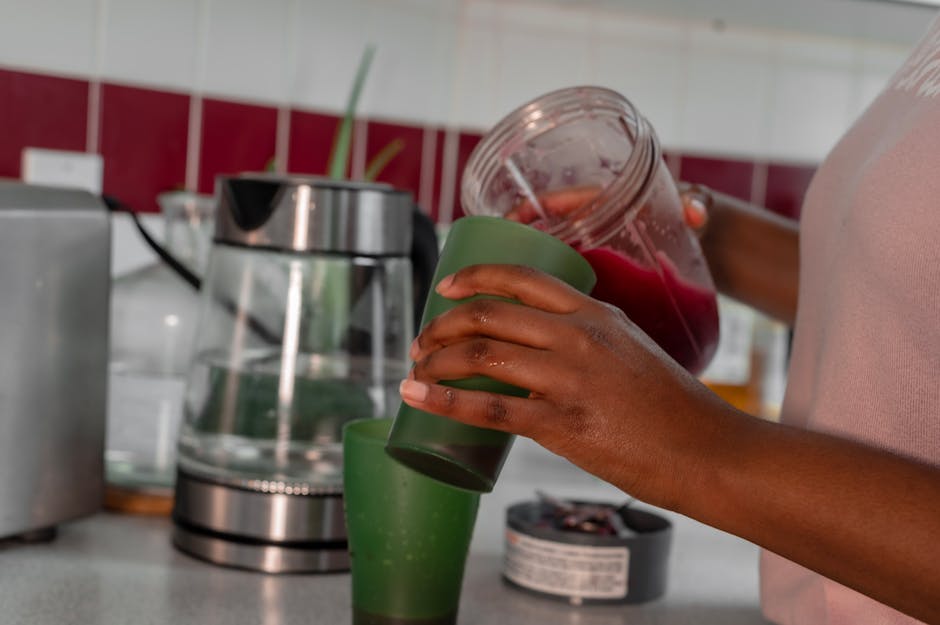
I learned this the hard way. Last month I tested a “high watt” budget blender that still left kale confetti in every sip. Meanwhile, my friend’s older Vitamix (with fewer “features”) made the same recipe silky in under a minute. Annoying? Yep. Educational? Also yep.
what’s the best blender for smoothies in 2026?
I might be wrong here, but for most people the “best” pick is the one you’ll use 5 days a week and clean in 60 seconds. For my own routine, top rated blenders land in three buckets: (1) full-size powerhouses, (2) personal bullet-style, and (3) mid-range multitaskers. Each has real tradeoffs.
Here’s what I personally look for before I recommend anything to a friend:
- Can it blend frozen fruit without extra liquid? If it can’t, I’m out.
- Does it handle seeds? Chia and flax are my little “stress test.”
- Is it stable? Walking blenders on my counter drive me nuts.
- Do I trust the warranty? Because motors do die. They just do.
Also, I’m not ignoring nutrition. If your blender leaves chunks, you’ll chew more (not always bad), but you’ll probably hate the texture and quit. Consistency matters. Seriously.
My short list: top rated blenders I’d actually buy
Okay so, I’m not going to pretend I “lab tested” every model ever made. I didn’t. However, I’ve used a mix of full-size and personal blenders for years, and I’ve helped family pick models based on budget and habits. Below is the same shortlist I keep in my Notes app.
| Type | Who it’s best for | What I like | What I don’t |
|---|---|---|---|
| Vitamix-style high power | Daily smoothie people, meal prep | Silky blends, handles greens and ice | Price + noise |
| Ninja-style multi-blade | Families, frozen drinks | Great crushing, often cheaper | Can leave micro-chunks in thick mixes |
| NutriBullet/personal cups | Solo, small kitchens | Fast, easy cleanup | Struggles with ultra-thick blends |
| Mid-range classic blender | Occasional smoothies | Budget-friendly | More straining, more “add liquid” |
If you want one simple Amazon starting point, the search link above is where I’d begin, and I’d filter by warranty length and recent reviews. I’ve bought a NutriBullet-style personal blender for travel weeks, and honestly, it’s saved me from airport muffins more times than I can count.
Now, the health-drink part. That’s where people mess up. You might also enjoy our guide on Low Histamine Smoothies: 5 Gut-Friendly Recipes That Actuall.
How I build a smoothie that’s actually filling (not a sugar bomb)
I used to make the classic mistake: fruit + juice + a little yogurt and call it “healthy.” Then I’d be starving an hour later. Big mistake. Now I build smoothies like a meal, which means protein + fiber + some fat, and then the fun stuff.
My basic formula (and I’ve been using this for about 3 months straight):
- Protein: 25–35 g from Greek yogurt, whey, soy, or a protein blend.
- Fiber: 1 tbsp chia or ground flax + berries or oats.
- Fat (optional): 1 tbsp nut butter or 1/4 avocado.
- Micros: handful of spinach, plus cinnamon or cocoa.
- Liquid: water, milk, kefir, or unsweetened soy.
Why do I care about fiber so much? Because most people don’t get enough. According to the CDC, diet quality patterns in the U.S. still leave gaps, and in my experience fiber is one of the easiest to miss when breakfast is “whatever’s fast.” Also, the NIDDK specifically calls out fiber’s role in digestion, which is a polite way of saying it keeps things moving. Yeah, I said it.
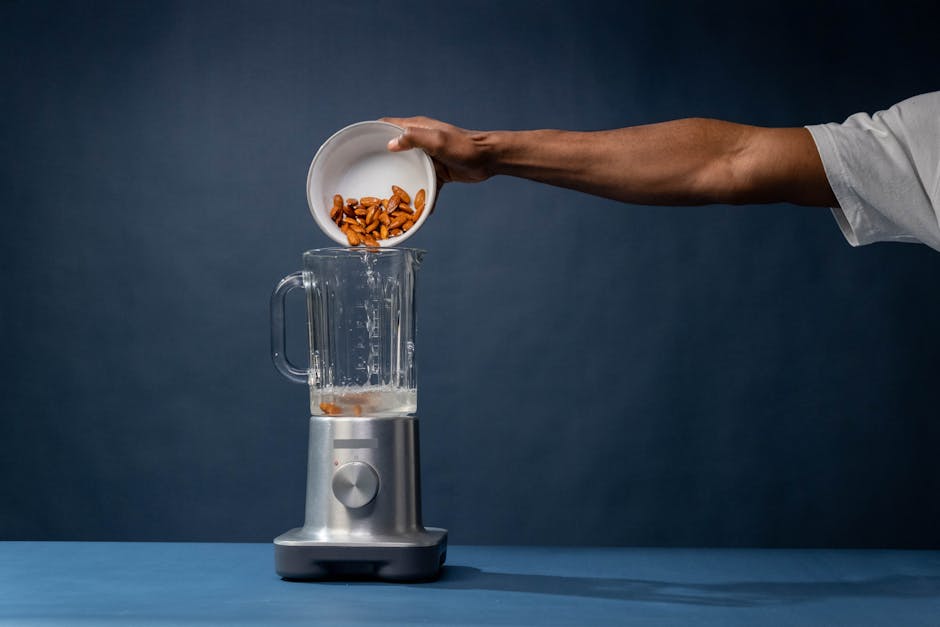
My “no grit” blending method (works even with greens)
I’m picky about texture. Like, ridiculously picky. So I use a method that reduces grit, especially if you’re using spinach, kale, or seeds. It’s simple, but it works.
- Liquids first. Always. It protects the blades and starts the vortex.
- Powders next. Protein, cocoa, collagen—mix them before the frozen stuff hits.
- Leafy greens. Blend 15–20 seconds before adding ice.
- Frozen fruit last. Then ramp speed up gradually.
- Finish: 10 seconds on high to polish the texture.
One thing I wish someone told me earlier: if your smoothie heats up, you’re blending too long or the jar shape isn’t creating the right circulation. Also, some top rated blenders will warm a drink fast just from friction. That can be good for soup, not so good for a berry smoothie.
For reference, I time my blends with my phone. Nerdy? Totally. Helpful? Also totally.
Nutrition stats I actually trust (and why I care)
I get skeptical about nutrition claims. I’ve been burned by “detox” nonsense before, and I’m not doing that again. So I stick to boring sources and real numbers.
- According to the World Health Organization, adults should aim for at least 400 g of fruit and vegetables per day. Smoothies can help, although I still like chewing whole produce too.
- According to the Dietary Guidelines for Americans, added sugars should be kept to less than 10% of daily calories. That’s why I avoid juice as a base most days.
- The NIH Office of Dietary Supplements lists 14 g of fiber per 1,000 kcal as a common reference point. That’s a simple target I can remember when I’m building recipes.
Do I hit these perfectly every day? Nope. Not even close. However, smoothies make it easier for me to stay consistent, which is pretty much the whole point. For more tips, check out 10 Best Blender Brands for Smoothies (Proven Picks) 2026.
Common smoothie mistakes I still see (and yep, I’ve done them)
I’ve watched people buy expensive gear and still hate their smoothies. Usually it’s not the blender. It’s the build.
- Too much fruit. It tastes great, then crashes your hunger later.
- No protein. A smoothie without protein is basically fancy juice.
- Under-blending greens. Then you blame the blender for “leaf bits.”
- Going zero-fat. A little fat helps satisfaction and flavor.
- Ignoring sodium. Especially if you sweat a lot—add a pinch sometimes.
Also, I’ve got to say it: a weak blender can’t magically do thick smoothie bowls. If you want spoon-thick, you’ll need a strong motor or you’ll be stopping every 10 seconds to shake the jar. Been there. Hated it.
Key takeaways (so you can pick fast)
- Top rated blenders succeed because of vortex design, torque, and container shape—not just wattage.
- For filling smoothies, I aim for 25–35 g protein plus fiber and optional healthy fat.
- Blend order matters: liquid → powders → greens → frozen usually gives the smoothest texture.
- Watch added sugar and skip juice bases most days if you’re trying to stay balanced.
[content-egg-block template=offers_list]
Frequently Asked Questions
What are top rated blenders for smoothies, really?
Top rated blenders are models that consistently produce smooth texture with frozen fruit and fibrous greens, without stalling or leaving chunks. They usually combine strong torque, effective blade geometry, and a jar shape that creates a stable vortex. Warranty support and easy cleaning also matter in real kitchens.
How much power do I need for smoothies?
Power helps, but torque and blade design matter just as much. For daily frozen smoothies, I’d look for a blender designed to crush ice and handle thick mixes without overheating. If you mostly make lighter fruit smoothies with plenty of liquid, a personal blender can be enough.
Do smoothies destroy fiber compared to whole fruit?
Blending breaks food into smaller particles, but it doesn’t remove fiber the way juicing does. You still consume the whole fruit or vegetable, including the fiber. However, smoothies can be easier to drink quickly, so portion sizes can creep up if you’re not paying attention.
What’s the healthiest liquid base for smoothies?
For most goals, water, unsweetened milk, or unsweetened soy milk are simple, low-added-sugar bases. I usually avoid fruit juice because it adds sugar without much extra fiber. If you want more probiotics and tang, kefir or plain yogurt thinned with water can work well.
How do I make my smoothie more filling without adding tons of calories?
Increase protein and fiber first. Adding 25–35 g protein (Greek yogurt, whey, or soy) plus chia, flax, or oats usually improves fullness. Also, consider using berries instead of tropical fruit for lower sugar, and keep nut butter portions modest if calories matter.
You Might Also Like
