

7 Best Superfood Powder Reviews (Proven Picks) 2026

Best superfood powder reviews usually come down to three things I’ve learned the hard way: ingredient quality, taste you’ll actually drink, and whether it fits your goal (energy, digestion, protein, or micronutrient “insurance”). In my testing, the best picks keep added sugar near zero, list real amounts (not just “proprietary blends”), and mix smoothly in water or a smoothie without tasting like lawn clippings.
Also, quick disclaimer: I’m not your clinician, and I can’t see your labs. If you’re pregnant, on blood thinners, managing thyroid issues, or dealing with kidney disease, please check with a registered dietitian or your doctor first. Superfood powders are food-ish, but the concentrated stuff can still interact.
Okay so, I’ve been through the “green powder phase.” Twice. Last month I ran a simple test on myself: same breakfast, same coffee timing, then I rotated powders for 21 days and tracked satiety, GI comfort, and whether I’d keep drinking it after the novelty wore off. Spoiler: some were great, some were… yeah, no.
what’s a superfood powder, really?
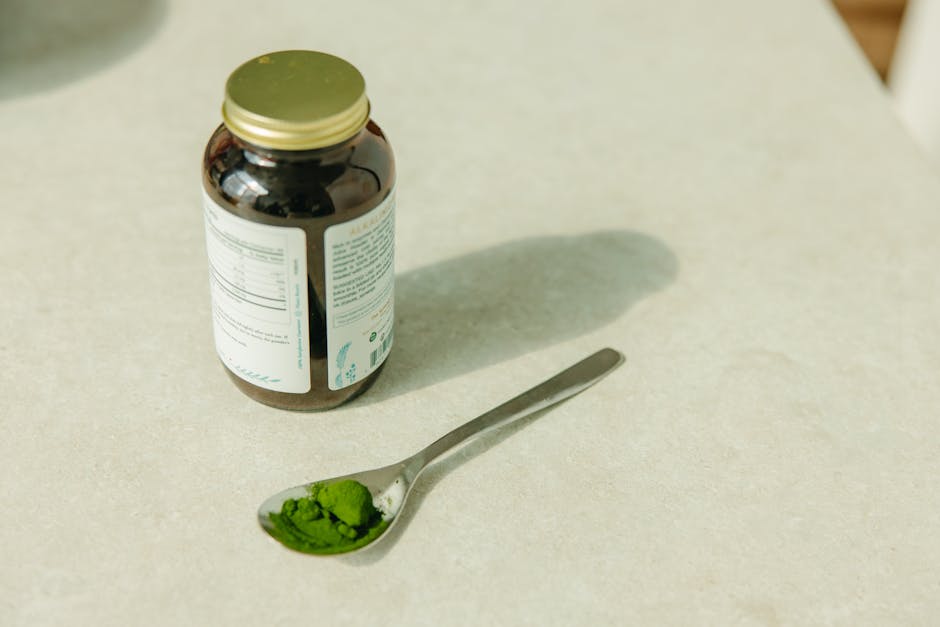
A superfood powder is essentially a dried, ground blend of nutrient-dense ingredients—often greens (like spinach), algae (spirulina/chlorella), fruits, herbs, and sometimes probiotics or enzymes. I treat it as a convenience tool, not a magic fix. Think: “gap filler,” not “health shortcut.”
Here’s the thing. Labels get messy fast. Some brands hide everything inside “proprietary blends,” which makes my eye twitch because you can’t tell if you’re getting meaningful doses or just expensive fairy dust.
How do superfood powders work in the body?
Superfood powders work by adding concentrated micronutrients (like folate, vitamin K, magnesium), phytonutrients (polyphenols, carotenoids), and sometimes fiber and live cultures to your diet. What’s more, some ingredients may support digestion or antioxidant activity. Still, they don’t replace whole foods—your gut likes chewing, not just sipping.
I’ll also say this: “detox” claims annoy me. Your liver and kidneys already handle detox. If a powder helps you eat more plants, cool. If it promises to fix your life in 7 days, I’m out.
7 best superfood powder reviews (my real-world criteria)
I’m not rating these like a lab would. I’m rating them like a person who has to drink them at 7:12 a.m. and still function. Specifically, I look for:
- Transparent labeling (no mystery mega-blends)
- Low added sugar (ideally 0–2 g)
- Third-party testing or at least clear QA info
- Mixability (clumps make me irrationally angry)
- Taste tolerance (I’m not a martyr)
Moving on. Here are the types I’d actually recommend, plus who they’re best for.
1) Greens-focused blends (best for “I don’t eat enough plants” days)
I’ve used greens powders on and off for 3 months at a time, usually during travel. They’re handy. However, they can be iodine- or vitamin K–heavy depending on sea veggies and leafy greens, so if you’re on warfarin or have thyroid stuff, double-check.
2) Reds/berries blends (best for polyphenols without the sour face)
Reds powders tend to taste better. Honestly, they’re the “gateway” powder. Also, they’re often built around beet, berry, pomegranate, or grape extracts—more about phytonutrients than minerals. You might also enjoy our guide on Rice Water Acid Reflux: Best Timing, Dosage, and Recipe.
3) Protein + greens combos (best for breakfast replacement-ish)
These are what I reach for when I’m trying to avoid the 10:30 a.m. snack spiral. I might be wrong here, but I find I’m steadier when I get 20–30 g protein early. A lot of superfood blends don’t hit that unless they’re paired with protein.
4) Gut-support blends (best if your stomach’s dramatic)
If you bloat easily, start slow. Seriously. Some blends toss in inulin, chicory root, sugar alcohols, or big probiotic doses. In my experience, a half serving for 5–7 days saves you from regrettable meetings.
5) Single-ingredient “superfoods” (best for control freaks like me)
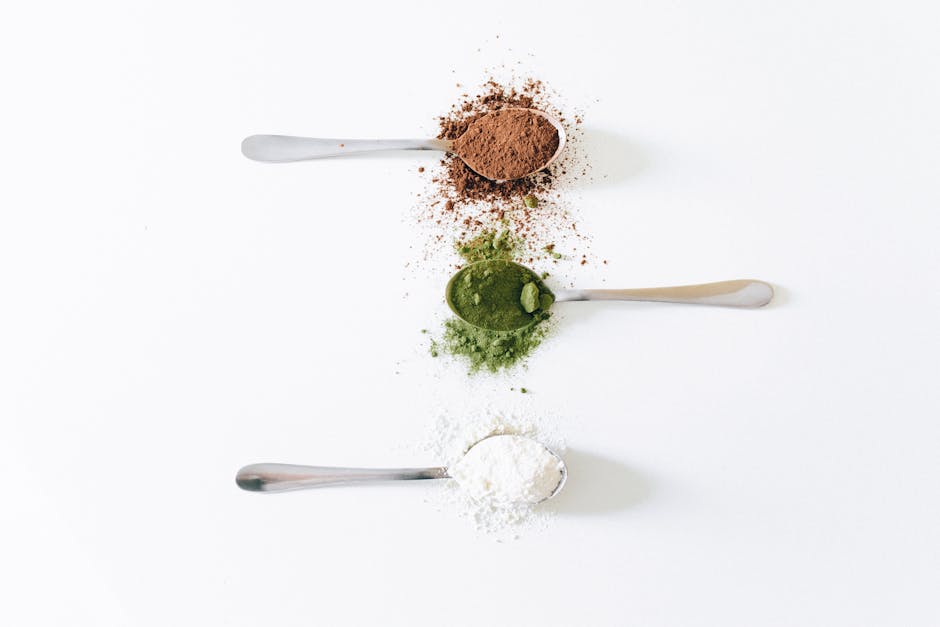
Spirulina. Cacao. Beetroot. Moringa. I like these because I can control dose and stack them. And, it’s easier to spot what’s helping vs what’s wrecking your stomach.
what’s the best superfood powder for your goal?
This is the part most roundups get wrong. One “best” doesn’t exist. So here’s my quick matching guide, based on what I’ve seen work for me and friends who actually stick with it.
- Energy slump: greens + B-vitamins, or a beet-focused blend (watch stimulants)
- Digestion: gentle fiber + enzymes, start with half serving
- Muscle/weight goals: protein-forward blend, not just greens
- Micronutrient “insurance”: transparent label, broad-spectrum ingredients
- Taste sensitivity: berry-based “reds” or cacao-based blends
Quick note: I’ve bought “organic superfood powder” options on Amazon more than once, mainly because I can compare ingredients fast and skim reviews for mixability complaints. My current lazy combo is an organic greens blend plus plain whey or pea protein. Boring. Effective.
My buying checklist (so you don’t waste money)
I wish someone had handed me this list before I bought that one tub that tasted like aquarium water. So here’s what I check every single time.
- Ingredient amounts: if everything’s hidden in a blend, I usually pass
- Added sugar and “natural flavors”: not always bad, but it can hide a lot
- Heavy metal testing: especially for greens, cacao, and algae-based products
- Allergens: dairy, soy, and “made in a facility” notes matter
- Realistic serving size: 2 scoops at 20 g each gets expensive fast
About heavy metals: I’m not trying to scare you, but plant concentrates can accumulate metals from soil. Therefore, I prefer brands that share Certificates of Analysis (COAs) or at least mention third-party testing.
Want receipts? Here are a few solid resources I trust:
- NIH Office of Dietary Supplements: fact sheets (I use this to sanity-check claims)
- FDA: Dietary Supplements overview (good reality check on regulation)
- WHO: Healthy diet fact sheet (helps keep priorities straight)
The stats I pay attention to (not the hype)
I’m a numbers person, but I’m also allergic to marketing math. So I stick to boring, credible stats that keep me grounded.
According to the CDC’s fast facts on fruit and vegetable consumption, most adults still don’t hit recommended intake levels. That’s exactly why I see powders as a backup, not a main plan.
Also, the Dietary Guidelines for Americans emphasize nutrient-dense foods and fiber-rich patterns, which is hard to fake with a scoop. Therefore, I use powders to support a decent baseline diet, not replace it.
One more: the NIDDK digestive disease statistics are a reminder that gut issues are common. That doesn’t mean you need “gut cleanse” powders. However, it does explain why people chase them.
Superfood powder vs. whole foods (my honest take)
I’ve tried doing “powder breakfast” weeks. Didn’t love it. I missed crunch, and I got hungry faster. Whole foods bring structure—protein, fiber, water, chewing. Powders bring convenience. That’s it. For more tips, check out Benefits Infused Water: 7 Proven Perks (2026) + Easy Recipes.
| Option | Pros | Cons |
|---|---|---|
| Superfood powder | Fast, travel-friendly, easy plant boost | Can be pricey, taste issues, dosing isn’t always clear |
| Whole foods | Fiber + chewing + satiety, more complete nutrition | Prep time, spoilage, harder while traveling |
So here’s the deal. I keep both in my life. I just don’t pretend the powder is “clean eating” in a jar.
How I use superfood powders (a routine that actually sticks)
My routine is embarrassingly simple. That’s why it works. I’ve tested fancy smoothie bowls and five-supplement stacks, and I didn’t keep them up. However, this I can do half-asleep.
- Start small: 1/2 serving for 4 days
- Pick one base: water + ice, or kefir, or almond milk
- Add one flavor fix: lemon, frozen pineapple, or cacao
- Keep protein separate: add whey/pea if the powder’s light on protein
- Track one thing: energy, digestion, or cravings (not all three)
Not gonna lie, the biggest upgrade for me was using a cheap handheld frother. Clumps? Gone. Rage? Reduced.
My personal red flags (learned the annoying way)
I’ve had a couple tubs that seemed “fine” until day three. Then my stomach said nope. Therefore, I’m picky now.
- “Proprietary blend” as the whole label
- Huge adaptogen stacks with no dosing clarity
- Sugar alcohols (maltitol wrecks me, personally)
- Wild claims like curing inflammation overnight
Also, 2026 trend alert: more powders are adding “nootropics” and stimulants. That sounds fun until your heart races at 9 p.m. Read the label. Seriously.
If fat loss is your goal, I’ll be blunt: powders won’t outrun a chaotic meal plan. I’ve seen better results (for me and friends) from boring meal structure—protein at each meal, consistent calories, and recipes you don’t hate. That’s why I like having a real cookbook system on hand, not just another tub.
Internal note: If you’ve got a related post on smoothie recipes or protein timing on your site, link it here. I don’t have your URL, so I can’t add it myself without guessing.
Key takeaways (so you can pick fast)
- I use superfood powders as a convenience tool, not a replacement for vegetables.
- Transparent labels and third-party testing matter more than flashy ingredient lists.
- For sensitive digestion, start with half servings and avoid heavy fibers at first.
- Protein+greens blends work best for breakfast; reds blends usually taste best.
- My best superfood powder reviews winners are the ones you’ll drink consistently.
[content-egg-block template=offers_list]
Frequently Asked Questions
Are superfood powders worth it?
They can be worth it if you’re consistently missing fruits and vegetables or you travel a lot. I treat them like nutritional “backup,” not a primary strategy. Choose one with transparent dosing, low added sugar, and testing info, and you’ll avoid most of the disappointment.
How often should I take a superfood powder?
Most people do fine with 3–6 days per week, depending on diet quality and tolerance. I usually start at half a serving for 4 days, then go to a full serving if my digestion stays calm. If it causes bloating, back off instead of pushing through.
Can superfood powders replace multivitamins?
Sometimes, but not always. Many powders include vitamins and minerals, yet the amounts can be unclear if they use proprietary blends. A multivitamin is more standardized, while powders can provide extra phytonutrients and plant compounds. If you’ve deficiencies, confirm with labs and a clinician.
What should I look for on the label?
I look for clear ingredient amounts, minimal added sugar, and a note about third-party testing or a Certificate of Analysis. Plus, I check for potential allergens and stimulant ingredients. If the label is mostly marketing words with no numbers, I skip it.
Do superfood powders have side effects?
Yes, they can. Common issues are gas, bloating, or diarrhea, especially with added inulin, sugar alcohols, or high probiotic counts. Also, vitamin K–rich greens can matter for blood thinners, and iodine-heavy sea vegetables can affect thyroid management. When unsure, ask a professional.
You Might Also Like

