

10 Proven Healthy Energy Drinks for Clean Energy (2026)

Healthy energy drinks are beverages that boost alertness and stamina while keeping ingredients (and side effects) in check—think moderate caffeine, low sugar, and helpful add-ons like electrolytes or L-theanine. I’ve tested a bunch over the last few years, and my honest rule is simple: if it spikes me fast and crashes me faster, it’s out. Below are 10 options I’d actually keep in my fridge.
Quick note: I’m not your doctor, and I don’t know your health history. If you’re pregnant, sensitive to caffeine, have heart rhythm issues, or take stimulant meds, please run this by a clinician first. I’ve learned the hard way that “natural” doesn’t mean “harmless.”
Honestly, a blender is my “energy drink cheat code.” I’ll do cold brew + ice + Greek yogurt + banana, and it feels smoother than any can. Also, if you want something simple, I’ve used the Ninja Nutri-Blender at a friend’s place and it’s pretty much perfect for quick smoothies.
How do healthy energy drinks work?
Most of the time, it’s a caffeine story—just with better supporting characters. Caffeine blocks adenosine (the “I’m sleepy” signal), so you feel more awake. However, the extras matter: L-theanine can smooth jitters, electrolytes help hydration, and carbs (if present) can help performance but also raise crash risk. I watch sugar like a hawk now. Big lesson.
In fact, the FDA notes that up to 400 mg of caffeine per day is generally safe for most healthy adults. That doesn’t mean I recommend going anywhere near that daily. I don’t. I feel awful past ~220 mg.
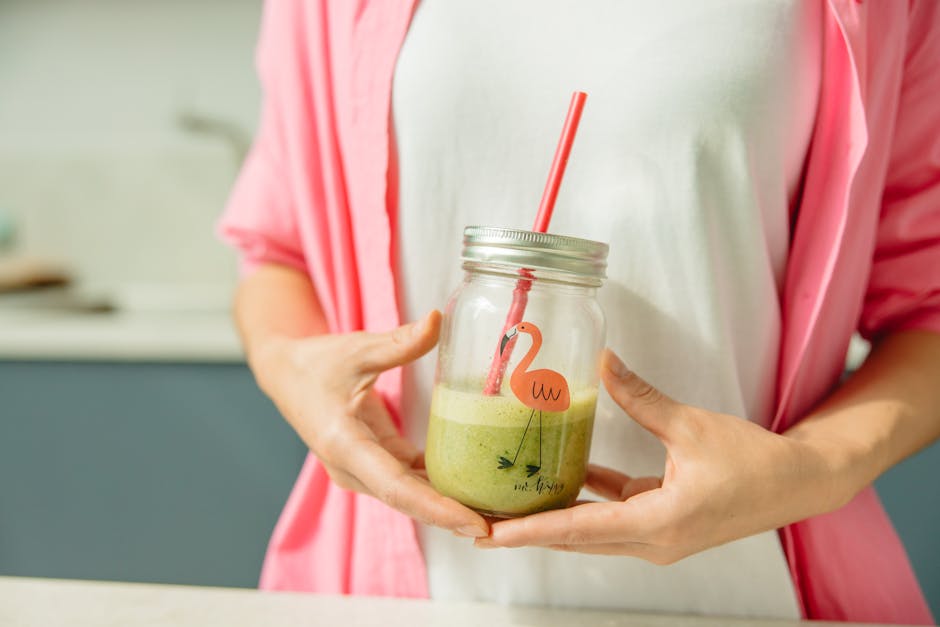
What’s the best healthy energy drink for most people?
If you made me pick one, I’d choose a lower-sugar option with moderate caffeine and either L-theanine or electrolytes. It’s the most “repeatable” daily choice. Not as exciting. Way more sustainable. Also, your stomach will thank you.
According to a 2023 systematic review in The BMJ, energy drink consumption is associated with cardiovascular effects like increased blood pressure in some people—so “best” isn’t just flavor, it’s tolerance. I learned that after one can gave me that weird chest-flutter feeling. Never again.
Also worth knowing: the CDC tracks sugar-sweetened beverage intake and its links to health outcomes. That’s why I’m picky about added sugar. I’d rather eat my carbs than drink them.
My personal checklist (so you don’t get tricked)
I used to buy drinks based on the label vibes. Rookie move. Now I check these, every time.
- Caffeine: I prefer 80–160 mg per can. More can be fine, but it’s riskier.
- Added sugar: I aim for 0–6 g. Above 10 g, I usually crash.
- Sweeteners: I can handle monk fruit/stevia better than sugar alcohol bombs. Your gut may disagree.
- Functional extras: L-theanine, electrolytes, or adaptogens—only if doses are disclosed.
- Transparency: “Proprietary blend” isn’t an automatic no, but I don’t love it.
One more thing: I’ve noticed carbonation makes some drinks feel harsher on an empty stomach. So, if you’re like me and skip breakfast sometimes, plan accordingly. Or don’t. Your call.
10 healthy energy drinks I’d actually recommend (and why)
I’m going to be annoying and say it: “best” depends on your body. Still, these are the ones that, in my experience, don’t feel like a sugar grenade. I’ve tried several of these for 3+ months at a time, rotating them based on training blocks, sleep, and work deadlines. You might also enjoy our guide on Theanine Lemon Balm Tea: Dosage, Timing, and Safety (Real-Wo.
- Green tea (bottled or homemade)
Clean caffeine. Mild lift. I drink this when I want focus without feeling “amped.” Bonus: it’s usually easier on my stomach than coffee. - Yerba maté (canned)
This one surprised me. The buzz feels “rounder” than coffee. However, it’s not for everyone, and some brands sneak in sugar, so I read labels like a detective. - Black coffee + pinch of salt
Not even fancy. Just effective. The salt trick helps if I’m training and sweating, although I keep it small because too much tastes gross. - Cold brew + protein (DIY)
My go-to “I skipped lunch” fix. I’ll blend cold brew with milk or a ready-to-drink protein shake. It’s basically a meal and caffeine in one. - Matcha latte (unsweetened or lightly sweetened)
Matcha hits differently. I feel calmer and more focused, which is why I keep it for writing days. Too much, though, and I get jittery. - Electrolyte + caffeine packets (mixed in water)
Great for workouts. Also, I like controlling the dose. The downside is some packet brands taste like melted candy. Choose wisely. - Low-sugar canned energy drink with L-theanine
This is where many modern healthy energy drinks land. I look for disclosed caffeine and minimal added sugar. If the label’s vague, I pass. - Kombucha (lower sugar)
It’s not a huge stimulant, but it gives me a gentle lift. Also, the bubbles scratch that “soda” itch. My only issue: some bottles are sugar traps. - Guayusa tea
Harder to find, but worth it. The energy feels steady, and I don’t get that edgy feeling. I might be wrong, but it seems smoother than yerba maté for me. - Beetroot “pre-workout” juice (low sugar)
Not a stimulant, yet it can support exercise performance via dietary nitrates. I use it before runs, not for desk work. Different tool, different job.
Look, I’m not pretending every can on the market is trash. Still, I’ve learned to treat healthy energy drinks like supplements: useful, but not magic. Sleep is still king. Annoying, but true.
Healthy energy drinks vs. regular energy drinks (quick comparison)
I built this table because I got tired of guessing. Also, it’s the fastest way to spot the “crash bait.”
| Feature | Healthy-ish option | Typical regular option |
|---|---|---|
| Added sugar | 0–6 g is common | Often 20–50 g |
| Caffeine labeling | Usually disclosed clearly | Sometimes unclear or very high |
| “Smooth” energy | Often includes L-theanine/electrolytes | More likely to feel spiky |
| Crash risk (my experience) | Lower | Higher |
How I use healthy energy drinks without wrecking my sleep
I used to slam caffeine at 3 p.m. and then act shocked when I couldn’t sleep. Classic. Now I follow a few rules that keep me functional.
- My cutoff: 8.5 hours before bedtime (so if I sleep at 11, I stop by ~2:30).
- Cycle intensity: I do higher caffeine only on heavy training days.
- Stack with food: If I’m anxious, I drink it after eating, not before.
- Hydrate first: A full glass of water before any caffeine. Non-negotiable.
According to a 2023 analysis in PubMed indexed literature, caffeine’s half-life is often around 5 hours in adults (varies a lot). That’s why late caffeine messes with my sleep even if I “feel fine.” My brain lies. Yours might too.
Key takeaways (save you some money)
- I trust healthy energy drinks that keep sugar low and caffeine clearly labeled.
- I feel best at 80–160 mg caffeine per serving, especially with L-theanine or electrolytes.
- I avoid “mystery blends” and anything that makes my heart race or my stomach churn.
- My caffeine cutoff is ~8.5 hours before bed, because sleep quality matters more than a quick buzz.
Updated for 2026: I re-checked caffeine safety guidance and label norms, and I tightened my own sugar limits after a few weeks of testing.
[content-egg-block template=offers_list]
You Might Also Like
